What to Know Before Buying Historic Homes in Coral Gables
Coral Gables Real Estate Eric Firestone February 19, 2026
Coral Gables Real Estate Eric Firestone February 19, 2026
Buying a historic home in Coral Gables is not the same as buying a typical Miami property. You fall in love with a Coral Gables archway, a barrel‑tile roof, and a sunlit courtyard. Then reality sets in: what does it take to buy and care for a historic home here? You want beauty without surprises, and a clear plan for permits, timelines, and budget. Between local historic designation, Certificate of Appropriateness approvals, and Mediterranean Revival construction details, the process requires careful planning. In this guide, you will learn what local designation means, what work needs approval, common condition issues in 1920s homes, and how to buy with confidence.
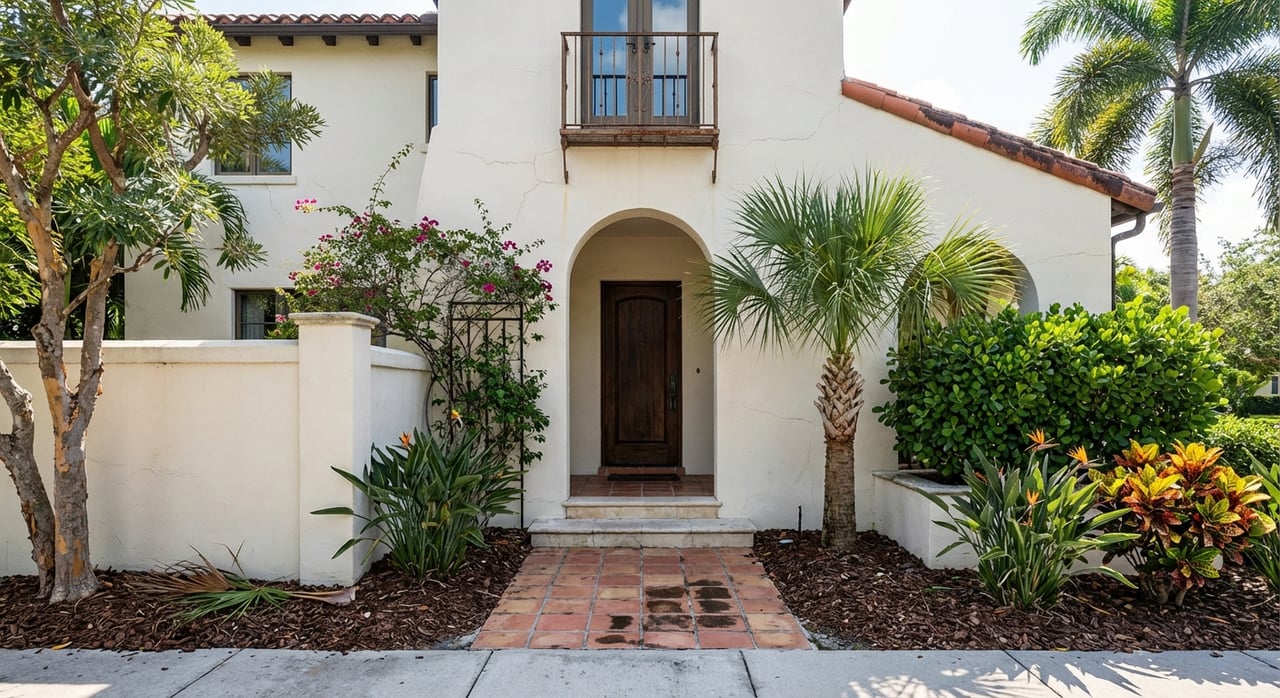
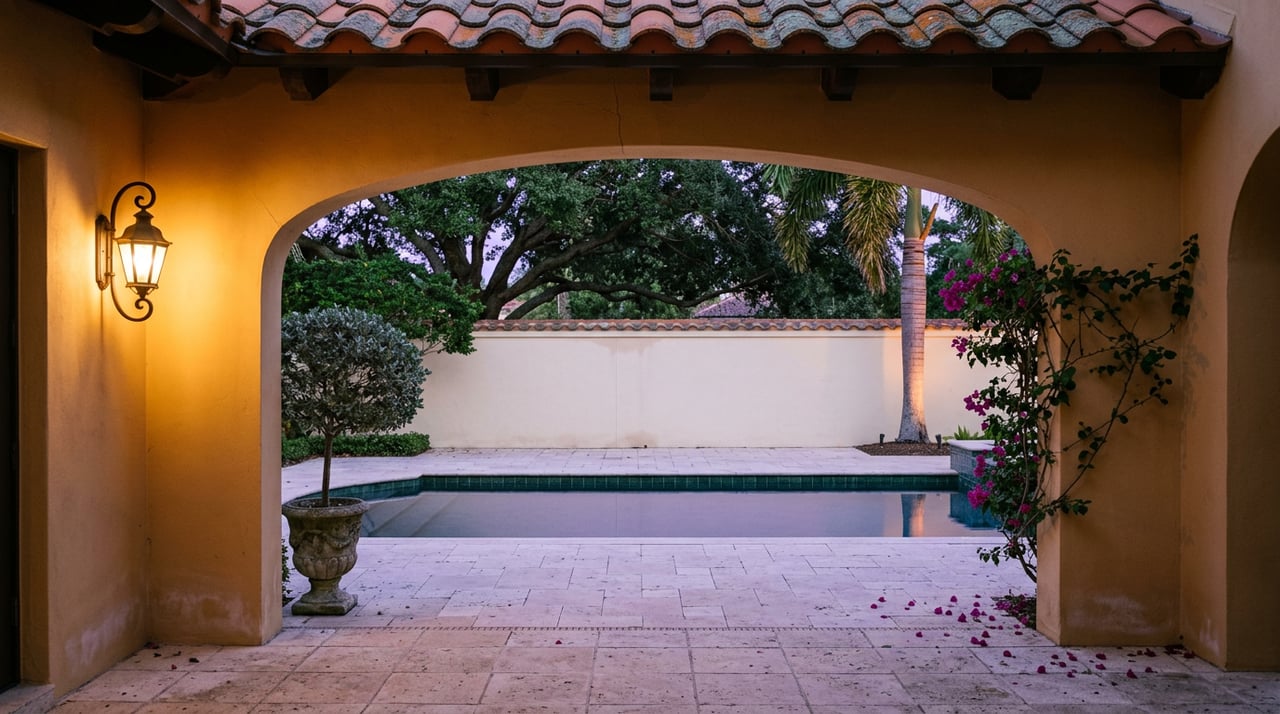
Coral Gables was master planned in the 1920s and is known for Mediterranean Revival details like stucco walls, coral rock accents, arched openings, and clay barrel‑tile roofs. The city actively protects this character through its Historic Preservation program and local register of landmarks. You can explore how the program works and view resources on the city’s official Historic Preservation page. To explore architectural styles, historic districts, and current inventory trends, visit my Coral Gables real estate guide.
Local designation in Coral Gables is what triggers review. If a home is listed on the city’s Register of Historic Places or contributes to a local district, most exterior work needs a city review before you get building permits. National Register listing is mainly honorary for private owners and does not create local permitting limits on its own. The city’s guide, Preserving Our Past, explains these differences in plain language.
Most exterior changes on a locally designated property require a Certificate of Appropriateness, called a COA. City staff can approve many minor items like in‑kind repairs, painting, or re‑roofing. Larger changes such as additions, demolition, or major exterior alterations go to the Historic Preservation Board for a public hearing. Interior work is usually not reviewed unless you apply for a tax exemption tied to approved historic rehabilitation. The city guide outlines what is covered and what is not.
Coral Gables uses Standard COAs for staff‑level approvals and Special COAs for projects that need Board action, such as demolition or variances. Most projects start with the Board of Architects for design feedback on materials, proportions, and compatibility. The Board meets frequently and publishes Mediterranean style resources and color palettes. Plan to consult them early using the Board of Architects page. When you are ready, submit your packet using the city’s COA application and checklist.
Typical timing varies. Staff‑level COAs can be resolved in weeks once a complete packet is filed. Projects that need Board hearings often take 6 to 12 or more weeks, since public notices, meetings, and any variances add steps. Build that time into your renovation plan.
If you plan a sensitive rehabilitation, the city and county offer an ad‑valorem tax exemption that can freeze the assessed value of eligible improvements for 10 years. To qualify, you submit a Part I application before work, complete your COA approvals, follow the Secretary of the Interior’s Standards, then file Part II after completion. Reviews include the Historic Preservation Board and City Commission, and county participation adds county reviews. Get the details and forms in the Ad‑Valorem Tax Exemption application.
The Historic Preservation Board evaluates projects using the Secretary of the Interior’s Standards for Rehabilitation. These national standards guide decisions about repair versus replacement, compatible new work, and reversibility. If you or your contractor are new to historic projects, start with the Standards overview from the National Park Service.
Historic Coral Gables homes are durable and special, but age and climate matter. Here is what to expect during inspections and due diligence.
Mediterranean homes often feature clay or concrete barrel tile. Tiles can outlast the underlayment and fasteners, so leaks often show up at flashings, penetrations, or where tiles have shifted. Many roofs are repairable, but full replacement can be costly, especially if you need to match historic tile. Plan to use a roofer experienced with tile systems.
Older homes may have coral rock, masonry, and traditional stucco finishes. Repairs work best with compatible, vapor‑permeable mixes. Hard modern cement or abrasive cleaning can trap moisture and cause damage. Follow NPS guidance that favors careful analysis and repair over replacement, and hire a stucco specialist who understands historic materials.
South Florida’s climate means wood‑destroying organisms are a known risk. A WDO inspection is standard in Florida transactions, and many lenders require it. The state’s official reporting form is the FDACS‑13645 WDO report. If termites or rot are found, plan for treatment and any needed structural repair.
Expect potential updates to electrical, plumbing, and HVAC. Older electrical panels, worn service lines, or cloth‑insulated wiring can appear in vintage homes. Galvanized or cast‑iron plumbing may show corrosion or low flow. HVAC systems can be near end of life or undersized. These items may affect insurance quotes and renewals, so budget for targeted specialist inspections.
Homes built before 1978 can contain lead‑based paint. Federal rules require the seller to provide a lead disclosure and a copy of the EPA pamphlet for pre‑1978 properties. You can choose testing if you have concerns. Some older building materials can contain asbestos, so plan targeted testing before you disturb suspect materials. Learn more about disclosure duties from the EPA’s summary of the federal lead disclosure rule.
Coral Gables has varied topography. Some areas fall within FEMA Special Flood Hazard Areas. Check flood maps, ask for any elevation certificate, and review current policy costs and claims history. Local design guidance also addresses resilience and site planning. You can review context in the city’s single‑family design best practices.
Historic projects move smoothly when you plan for sequence, specialists, and a contingency.
Not every renovation adds value equally in a historic district. Buyers of Coral Gables Mediterranean homes expect architectural integrity. Over modernizing can hurt long term appeal. Before altering layouts or exterior features, consider how future buyers will evaluate the home. In the wrong hands, historic homes that were renovated without proper approvals or market alignment often struggle when resold. Proper planning protects both lifestyle and resale value. Before making structural or aesthetic changes, review how buyers evaluate improvements in What Is a Realistic Price for My Miami Home in today’s market. Historic homes that are renovated without proper alignment between approvals, cost, and market demand often struggle when resold. If you are unsure whether prior strategy affected market performance, read Why Homes Expire in Miami before repeating avoidable mistakes.
Buying a historic home in Coral Gables is a chance to live in a one‑of‑a‑kind property with lasting character. With the right plan, you can respect the architecture, access local incentives, and update for comfort without stress. If you are considering a historic purchase in Coral Gables, schedule a consultation with Eric Firestone to map inspections, approvals, and long term resale strategy. Want to keep reading? If you are also evaluating long term resale risk, you may find value in reviewing Why Coral Gables Homes Don’t Sell to understand how positioning affects outcome.

Get assistance in determining current property value, crafting a competitive offer, writing and negotiating a contract, and much more. Contact me today.