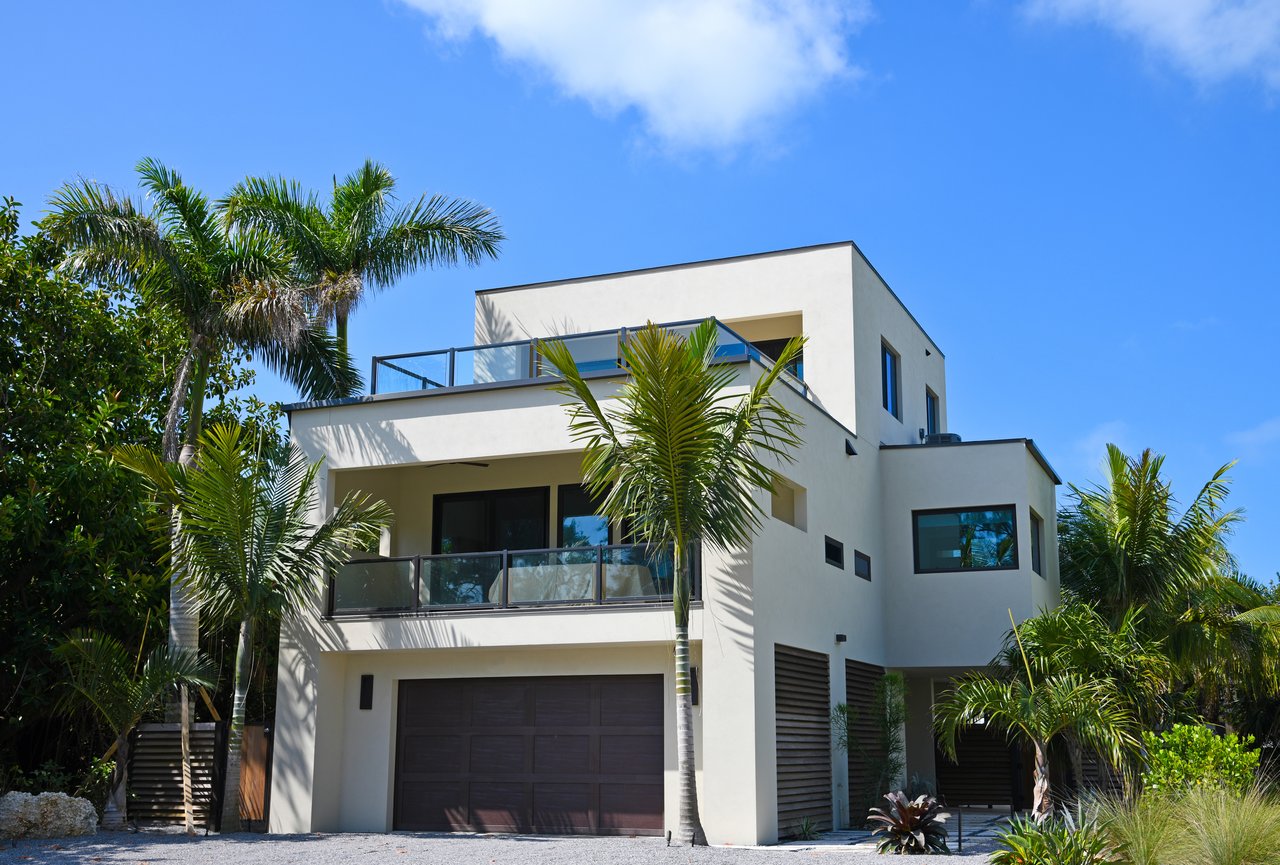
Why Your South Miami Home Didn’t Sell
Real Estate Eric Firestone January 4, 2026
Real Estate Eric Firestone January 4, 2026
In the South Miami real estate market, buyers prioritize location, proximity, and convenience over lot size or perfection. When a home doesn’t sell here, it’s rarely because buyers aren’t active. It’s because pricing, preparation, and positioning didn’t reflect how South Miami buyers actually evaluate homes.
When a South Miami home fails to sell, it’s almost never one mistake. It’s usually a combination of neighborhood nuance, condition expectations, and competition from newer construction. Below are the most common reasons South Miami homes don’t sell, and what needs to change to fix it.
Before we dive into the specific factors that can affect a South Miami listing, it’s important to understand the broader set of reasons homes fail to sell in Miami and what actually fixes them. You can explore the full breakdown in this guide on why homes don’t sell in Miami.
South Miami is not one market, it’s a collection of micro-markets.
For example, homes in Gables Edge consistently sell for a higher price per square foot than similar homes in Cambridge Lawns. Sellers often mis-price because they rely on general market trends instead of neighborhood-specific data.
When expectations are based on perception rather than data, homes sit.
South Miami buyers are active, but they are disciplined. When a home is priced beyond what its specific pocket supports, buyers simply move on.
Why pricing assumptions fail in Coral Gables but for different reasons.
South Miami buyers buy for proximity.
They value:
Access to the 826
Proximity to Coral Gables and the University of Miami
Centrality to daily life
Because of that, they are often more forgiving of lot size and condition than Pinecrest buyers, but only to a point. When a home is dated but priced like it’s updated, buyers don’t negotiate. They eliminate.
Pricing mistakes in South Miami are often driven by:
Misunderstanding neighborhood pockets
Overestimating renovation tolerance
Ignoring competition from new townhomes
For a deeper breakdown of all the reasons homes fail to sell the first time, read the full guide here.
Roof condition is a deal killer in South Miami.
Flat roofs, in particular, require consistent maintenance. When buyers see deferred roof care, they immediately calculate replacement costs, and they recover that cost in the offer price.
Beyond roofs, buyers are paying premiums for modern materials and finishes. Homes that are dated but livable rarely command top dollar, even if the location is excellent.
Many South Miami sellers underestimate competition from:
New townhomes
Smaller-lot new construction
Even when these homes sit on smaller parcels, buyers are willing to pay for peace of mind - new roofs, new systems, and modern layouts.
Larger lots with outdated homes sometimes sell for more, but price-per-square-foot analysis often reveals the truth. When sellers ignore this, overpricing follows.
Why Pinecrest buyers are less forgiving of condition.
Less than sellers think.
Downtown South Miami offers limited walkability. The Sunset Place area commands slightly higher pricing due to condo-driven walkability, but overall, driving remains essential.
Walkability may influence value modestly, but it does not override pricing or condition.
In the last 180 days, the highest concentration of expired, cancelled, or withdrawn listings in South Miami occurred above $1 million.
Some homes were mispriced due to misunderstanding neighborhood nuances. Others failed to align price with condition. Without being inside each transaction, the exact cause varies, but the pattern is clear: misalignment kills momentum.
Both — and neither works alone.
The homes that sell successfully follow the three real P’s:
Preparation (condition, staging, repairs)
Pricing (based on micro-market data)
Promotion (targeted, persistent, and measurable)
Too many agents still rely on the old version:
That strategy is no longer sufficient in South Miami.
Staging is part of preparation, and it matters more here than in Pinecrest.
South Miami homes lack the historic and architectural grace of Coral Gables, meaning dated furniture and worn finishes highlight age instead of character.
If a South Miami home wants to sell for top dollar, staging is not optional, it’s strategic.
A new agent only matters if the plan changes.
If your home expired:
Pricing must be reevaluated
Preparation may need improvement
Promotion must be intentional and trackable
If you’re considering a second attempt, schedule a consultation or text me directly at 305-342-7165.
Expired listings are common in South Miami, especially when expectations miss reality.
With the right preparation, pricing, and promotion, many homes sell successfully the second time. You’re not alone - and you’re not out of options.
If your home didn’t sell, and you are ready to put the home on the market again, schedule a private consultation here.
Most South Miami homes fail due to mis-pricing within specific neighborhood pockets, outdated condition relative to price, or poor promotion.
Yes, compared to Pinecrest, but only when pricing reflects the condition accurately.
Only modestly. Driving access and proximity matter more than walkability.
Because pricing often fails to account for condition, neighborhood nuance, and competition from newer construction.
Yes. Staging plays a critical role in telling the right story and justifying premium pricing.

Get assistance in determining current property value, crafting a competitive offer, writing and negotiating a contract, and much more. Contact me today.