Pinecrest Gated Living Or Open Streets: How To Decide
July 16, 2026
July 16, 2026
Wondering whether a gate will make your Pinecrest lifestyle feel more secure and convenient, or more complicated? If you are comparing gated living with open-street neighborhoods in Pinecrest, you are really choosing between two different ways privacy, access, and day-to-day upkeep are organized. This guide will help you sort through the tradeoffs so you can focus your home search with more confidence. Let’s dive in.
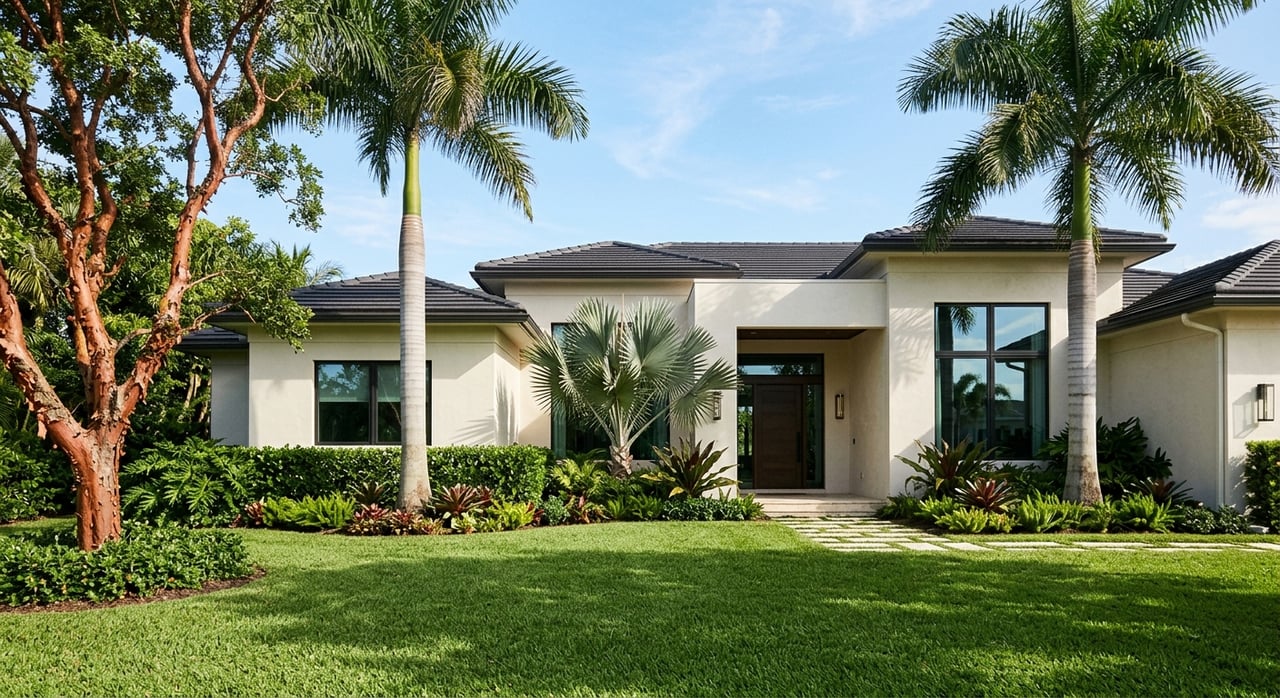
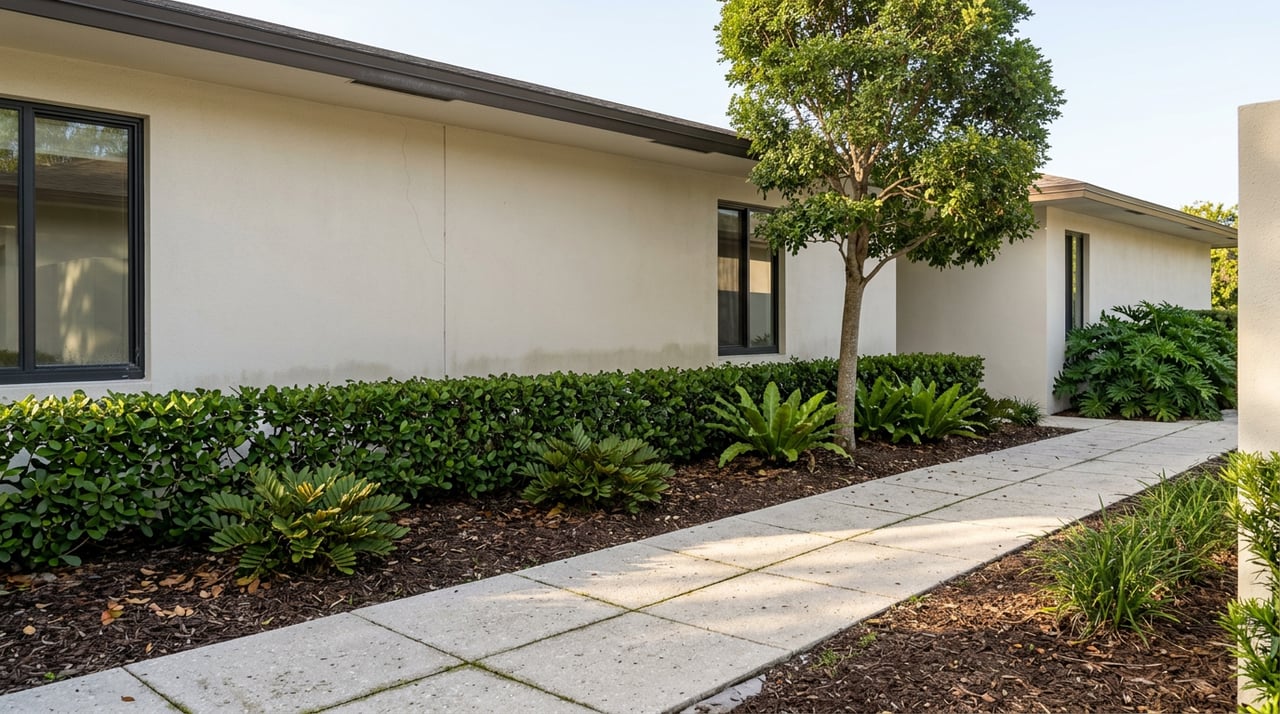
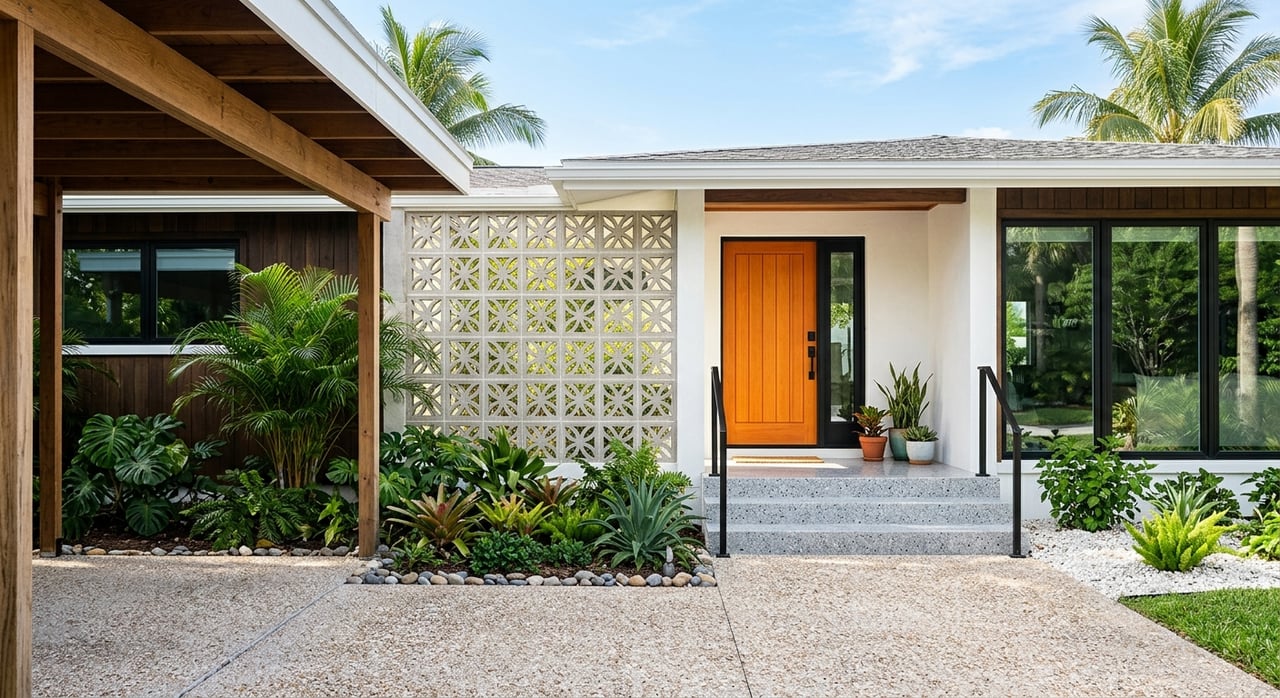
Pinecrest has a distinct residential identity. The Village describes it as a low-density, tree-canopied community known for large lots, abundant landscaping, open spaces, and a residential setting close to downtown Miami. Its character is also tied to 1950s and 1960s ranch-style homes on acre lots, which still shape how many parts of Pinecrest feel today.
That said, Pinecrest is not one-size-fits-all. The official zoning map shows a mix of residential patterns, from more conventional single-family lots of about 7,500 square feet to estate-style areas with one home per gross acre or even 2.5 gross acres. In practical terms, one Pinecrest address may feel very different from another, even before you factor in whether the street is gated or open.
At the most basic level, a gated community is a residential area with controlled entrances and physical barriers. In Pinecrest, that often means a more contained environment where entry is managed rather than fully open to through traffic and casual access. The main lifestyle difference is not just the gate itself, but the structure that comes with it.
For many buyers, the appeal is straightforward. A gate can create a stronger sense of privacy through access control, and that can make the neighborhood feel more self-contained. If you like the idea of a more managed arrival experience for residents and guests, gated living may feel like the better fit.
There is also a practical side to consider. Visitors, deliveries, and service providers may need to pass through an entry system, which can add a layer of process to daily life. Some buyers appreciate that extra control, while others see it as friction they would rather avoid.
Open-street living in Pinecrest does not mean a lack of care or neighborhood structure. The Village places strong emphasis on design review, landscaping, open-space preservation, tree protection, and code compliance. That means many open-street areas still feel polished, green, and visually consistent, even without a gate.
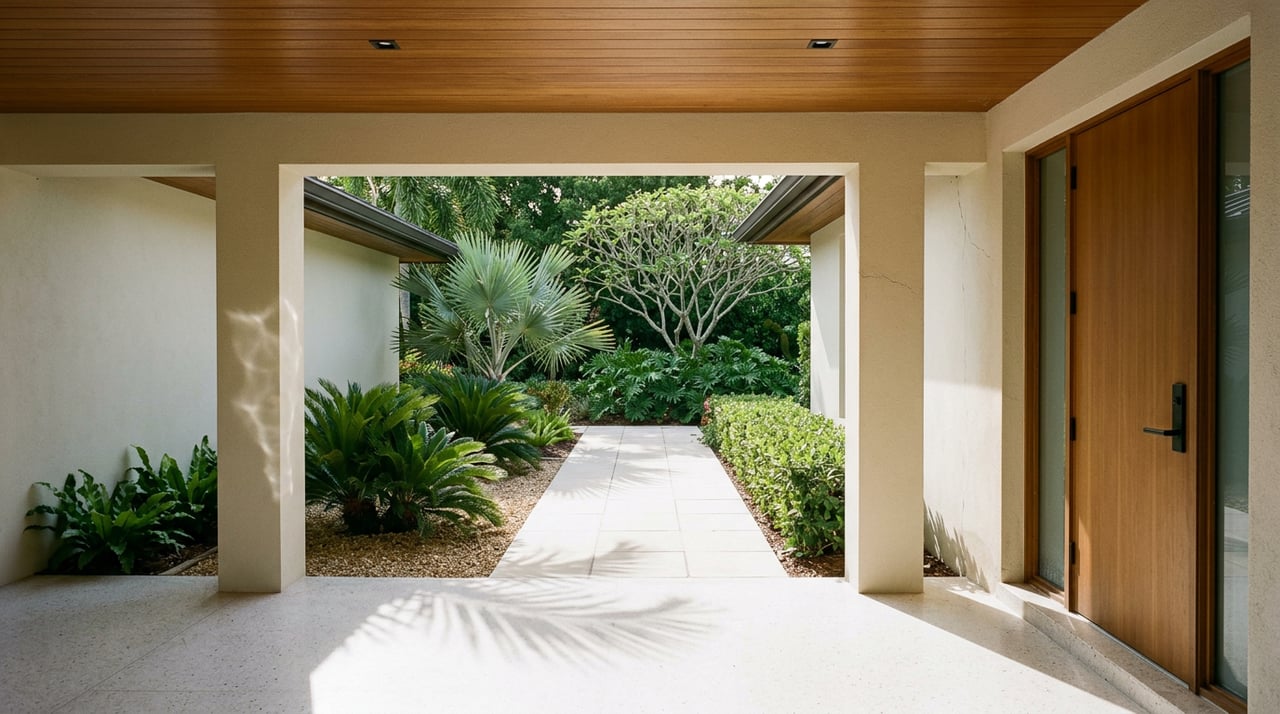
This is an important point for buyers who assume open streets feel less private or less refined. In Pinecrest, privacy can come from lot size, mature trees, setbacks, and landscaping just as much as from a controlled entrance. In many cases, the feeling of space is the feature.
Open streets can also make everyday access simpler. Friends, family, and household vendors typically reach the property without passing through an entry checkpoint. If you expect frequent visitors or want a more direct in-and-out routine, that convenience may matter more than you think.
One reason open-street living works well in Pinecrest is that the Village actively manages traffic and mobility. The Transportation Master Plan includes traffic calming tools such as speed tables, speed jumps, traffic circles, and diverters. It also includes sidewalk improvements, traffic operational projects, and repainting edge lines on village roads to support visibility and safety.
The Village is also building the Kendall Drive shared-use path for two-way pedestrian and bicycle traffic. In addition, Pinecrest offers an on-demand free electric car service. These efforts show that open streets here are not simply left to chance. They are part of a broader plan for movement, safety, and day-to-day usability.
Pinecrest is also connected to the larger regional mobility system. Miami-Dade identifies the South Corridor TransitWay as a link between Pinecrest, Dadeland South, and other South Dade communities. That does not make every street highly walkable, but it does mean Pinecrest is tied into a wider transportation network.
When you compare gated living with open streets, amenities are often part of the decision. In a gated setting, the lifestyle may feel more centered on the immediate enclave and its internal structure. That can appeal to buyers who want a more self-contained rhythm.
With open streets, many buyers see the whole village as part of the lifestyle package. Pinecrest’s Parks and Recreation Department operates eight parks, including an off-leash dog park and a lighted canal path. The community center is open to both residents and non-residents, which broadens how you can use village spaces.
If you want your routines to extend across Pinecrest rather than focus mainly on one enclosed subdivision, open streets may offer more of what you are looking for. That is especially true if parks, trails, and public recreational spaces are a regular part of your week.
A helpful way to think about this decision is that Pinecrest offers two different kinds of privacy. One comes from controlled entry. The other comes from land, trees, and distance.
If you picture privacy as a gate, guest screening, and a more managed street environment, gated living likely matches your instincts. If you picture privacy as a larger lot, mature landscaping, and more physical separation from neighbors, an open-street setting may feel more natural.
Neither approach is automatically better. The better choice depends on what makes you feel at ease in daily life, not just what sounds appealing during a tour.
Before you start touring homes in Pinecrest, it helps to get clear on what matters most to you. These questions can quickly reveal whether gated living or open streets are more aligned with your routine.
In many communities, the gated-versus-open question is mostly about perception. In Pinecrest, it is more practical than that. The Village’s zoning pattern, landscaping standards, and street conditions can shape how a neighborhood functions just as much as the presence of a gate.
That is why it is smart to verify the exact setting of any listing you like. Pinecrest’s official zoning map identifies a range of residential districts and even marks some private streets. A home’s value to you may depend not only on the house itself, but also on how the street and surrounding area operate day to day.
If you want controlled access, a more contained setting, and a property that may come with a stronger private-road or association structure, gated living may be your best match. If you want Pinecrest’s signature combination of large lots, mature landscaping, flexible home styles, public parks, and easier day-to-day access, open streets may be the stronger fit.
The key is to look past labels and focus on how you actually live. A beautiful house will only feel right if the neighborhood structure supports your routine, your priorities, and your sense of ease. That kind of clarity can save you time and make your Pinecrest search much less stressful.
If you want help narrowing down the right Pinecrest fit, Eric Firestone can help you compare neighborhoods with a calm, local, client-first approach.

Get assistance in determining current property value, crafting a competitive offer, writing and negotiating a contract, and much more. Contact me today.