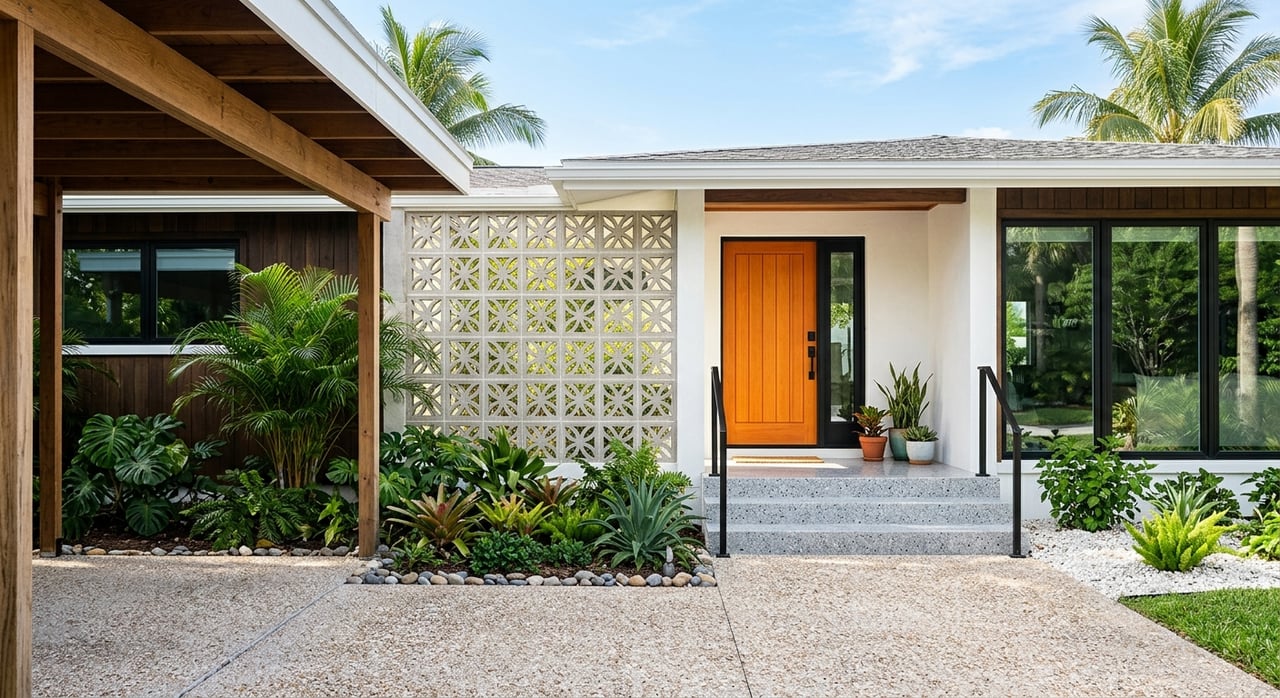
Selling An Older Home Near Sunset Park In Today’s Market
July 23, 2026
July 23, 2026
Wondering whether an older home near Sunset Park can still sell well in today’s Miami market? The short answer is yes, but buyers are paying close attention to condition, insurance questions, and documentation before they commit. If you want the best possible outcome, you need a plan that reduces uncertainty and helps your home feel easy to buy. Let’s dive in.
Older homes are not being ignored in Miami-Dade, but they are being judged carefully. In June 2026, the countywide median single-family sale price reached $695,000, active single-family inventory was 4,380 listings, and months’ supply was 4.9 months, which MIAMI REALTORS classifies as a seller’s market.
That said, this is not a market where you can list a dated property and expect buyers to overlook obvious issues. In May 2026, sellers received 95.3% of original list price, and homes took a median 41 days to go under contract. That gives you leverage, but it also means buyers have enough time to compare condition, ask questions, and walk away from homes that feel risky.
Cash is still a major factor too. In June 2026, 27.6% of Miami single-family sales were cash, which can help some older homes sell more smoothly, especially when financing or insurance concerns might affect other buyers.
If you are selling an older ranch or mid-century home near Sunset Park, your biggest competition may not just be other resale homes. You are also competing with renovated listings that look move-in ready and feel simpler to insure, inspect, and finance.
That is why the goal is not to pretend an older home is brand new. The better strategy is to position it as a well-maintained, well-documented property with character. Buyers tend to respond better when a home feels transparent and predictable rather than like a hidden renovation project.
You do not always need a full renovation to improve your sale. In many cases, the most effective updates are the ones that remove immediate objections and help the home show cleanly.
Focus first on visible, practical improvements such as:
These kinds of improvements can make an older home feel cared for. In a market where homes are still selling relatively close to list price, presentation can help buyers feel more comfortable making a strong offer.
For older Miami homes, cosmetic work is only part of the story. Before listing, it is smart to review the major systems that buyers and insurers are most likely to scrutinize.
Citizens requires a four-point inspection for property owner, dwelling, and mobile home applications on properties more than 20 years old. Its guidance also says roofs older than 25 years for soft roofing or 50 years for hard roofing may need documentation showing at least five years of remaining useful life.
The Florida Department of Financial Services says insurers commonly inspect the roof, plumbing, electrical wiring, and HVAC in older homes. Age, maintenance, and mitigation features can affect both coverage and cost.
For you as a seller, that means it is better to investigate these issues before your home hits the market. If a buyer discovers a problem first, you are reacting under pressure instead of leading the process with confidence.
One of the smartest things you can do when selling an older home near Sunset Park is gather documents early. A strong paper trail can reduce buyer anxiety and keep a transaction moving.
Miami-Dade allows residents to search permit history, inspection history, Certificates of Occupancy, code compliance, product approvals, and zoning records online by address. The county also warns that unpermitted work can lead to fines and create problems when you sell.
Try to collect records that help answer common buyer questions, including:
When buyers can review clear records, they often feel more comfortable about both price and risk. That can be especially important for older homes where the unknowns tend to carry more weight.
Flood status is a major issue in Miami, and buyers will want clarity. Miami-Dade provides flood-zone maps by address, and the county says flood insurance is required for any federally backed mortgage in a Special Flood Hazard Area.
If your property is in unincorporated Miami-Dade, the county also notes that its CRS rating can provide a 35% discount on flood insurance premiums for qualified residents and businesses on most NFIP policies issued or renewed on or after April 1, 2024. That does not apply everywhere, so the key is to confirm the property-specific details before listing.
For sellers, the takeaway is simple: know the flood-zone designation, understand whether insurance may be required, and be ready to discuss what you know clearly and accurately.
Some sellers assume that listing a property as-is reduces their disclosure obligations. In Florida, that is not how it works.
Florida real estate disclosure rules require a seller to disclose known facts materially affecting value that are not readily observable and not known to the buyer. That duty still applies in an as-is sale.
For an older home, this matters because age alone can raise questions about water intrusion, roof condition, electrical updates, plumbing, and prior repairs. Clear disclosure does not weaken your position. In many cases, it builds trust and helps prevent later disputes.
Florida Statutes 689.302 require a seller to complete and provide a flood disclosure to the buyer at or before the sales contract is executed. The law also requires disclosure of known flooding during ownership, any flood-related insurance claims, and any flood assistance received.
This is especially important for older homes in Miami, where buyers are often sensitive to both flood history and insurance costs. Having this information ready from the start can help the deal feel more organized and less stressful.
If the property is in unincorporated Miami-Dade, local rules add more disclosure requirements. The county says sellers must disclose illegal construction and outstanding code violations to buyers at contract.
Miami-Dade also says sellers must disclose septic tank systems before contract if present. For improved real estate in a Special Flood Hazard Area or Coastal High Hazard Area, the county requires a flood-zone disclosure statement in the contract or rider.
These local rules matter because many buyers assume a standard home inspection will catch every issue. The county specifically warns that many inspections do not check for illegal construction or code problems.
Older homes often come with a few extra compliance items that sellers should address early. One is the sanitary sewer lateral.
Florida Statutes 689.301 require a seller to disclose any known defects in the property’s sanitary sewer lateral before executing a sale contract. If your home has older plumbing or a history of line repairs, this is worth reviewing before a buyer raises the question.
If the home was built before 1978, lead-based paint rules also apply. Sellers of most pre-1978 housing must disclose known lead-based paint and lead hazards, provide available records and reports, give the EPA/HUD pamphlet, and allow a 10-day buyer inspection period.
Pricing is where many older-home sales succeed or stall. In today’s market, buyers may still pay strong prices, but they usually expect the list price to reflect the home’s actual condition, documentation, and likely insurance profile.
If your home is fundamentally solid and presents well, selective updates plus a clean document package may support a stronger price. If major systems are older, poorly documented, or likely to raise insurance concerns, pricing discipline is often more effective than trying to push past obvious buyer objections.
A realistic strategy helps attract serious buyers sooner. That can save you time, reduce renegotiation risk, and improve the odds of a smoother closing.
When buyers evaluate an older home in this area, they often focus on the same practical concerns. These issues can shape both price conversations and contract terms.
Common concerns include:
If you can answer these questions early, your listing has a better chance of feeling credible and easy to move forward with.
The best sales strategy for an older home near Sunset Park is usually not about hiding age. It is about reducing friction.
When your home is cleaned up, fairly priced, and supported by strong records, buyers can focus on the property itself instead of worrying about surprises. In a selective market, that kind of preparation can make a real difference in both sale speed and negotiating strength.
If you are thinking about selling, a calm, neighborhood-focused plan can help you decide what to refresh, what to disclose, and how to position your home for today’s Miami buyers. To talk through your options with a local, client-first approach, schedule your South Miami neighborhood consultation with Eric Firestone.

Get assistance in determining current property value, crafting a competitive offer, writing and negotiating a contract, and much more. Contact me today.