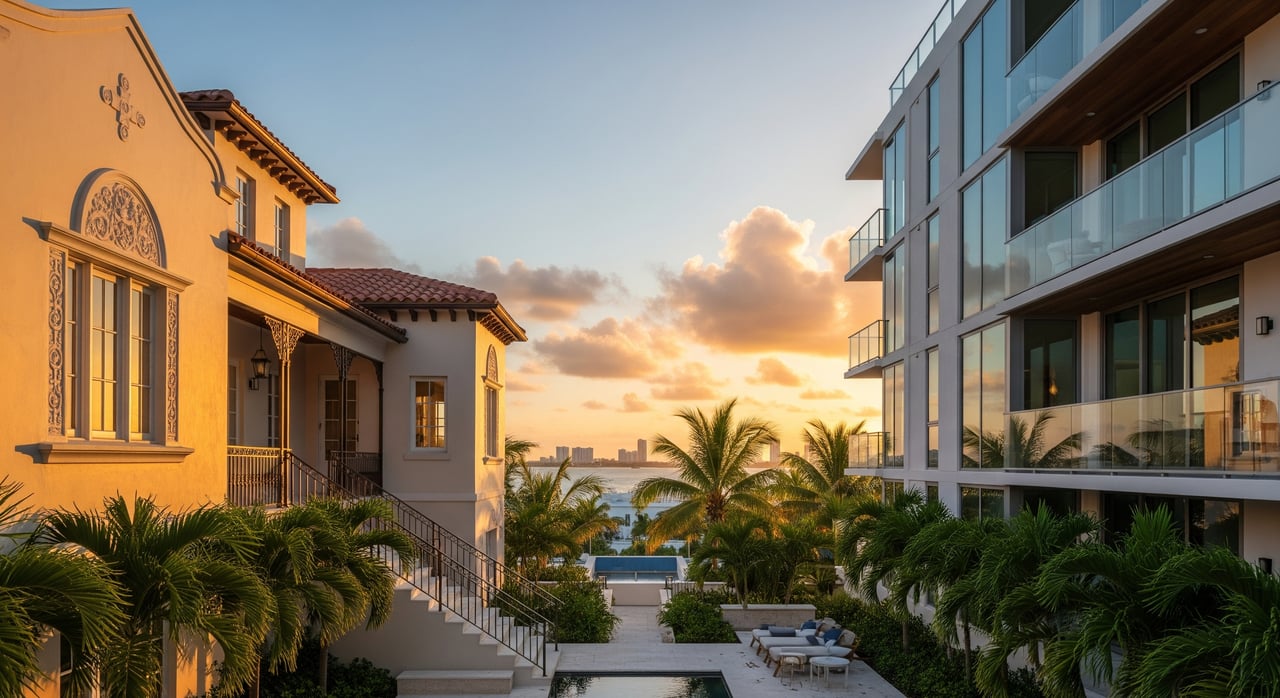
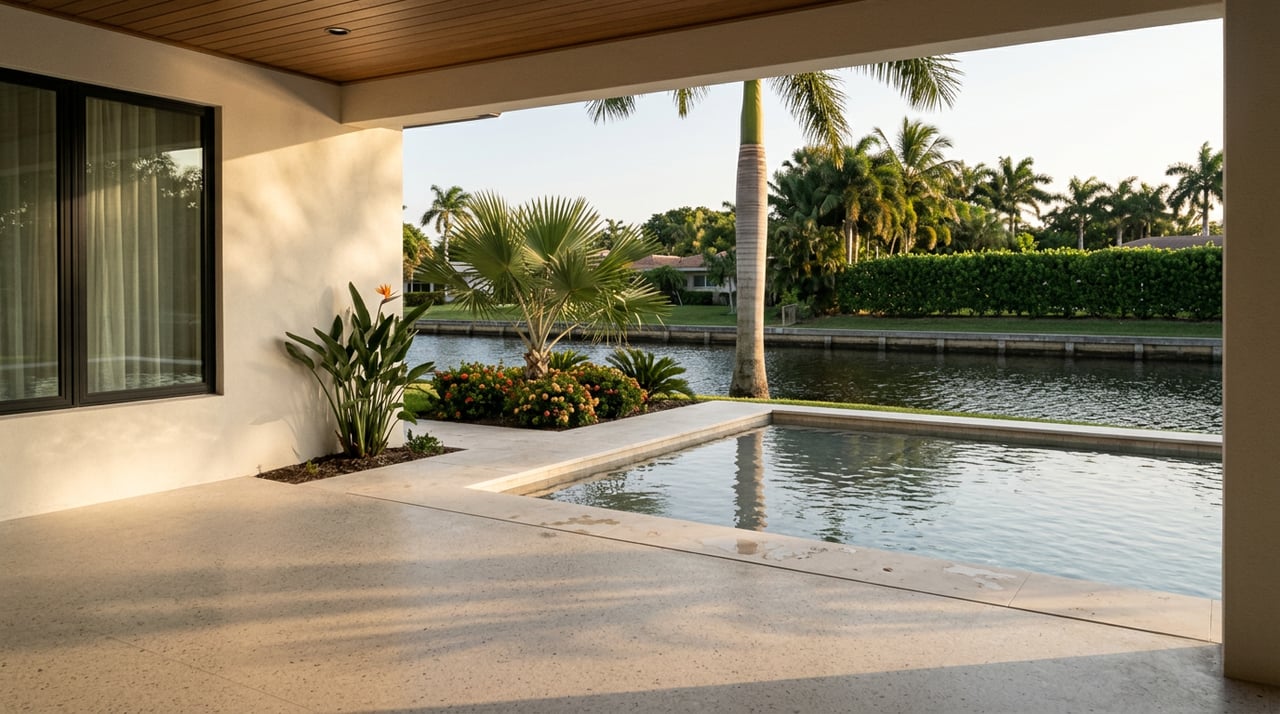
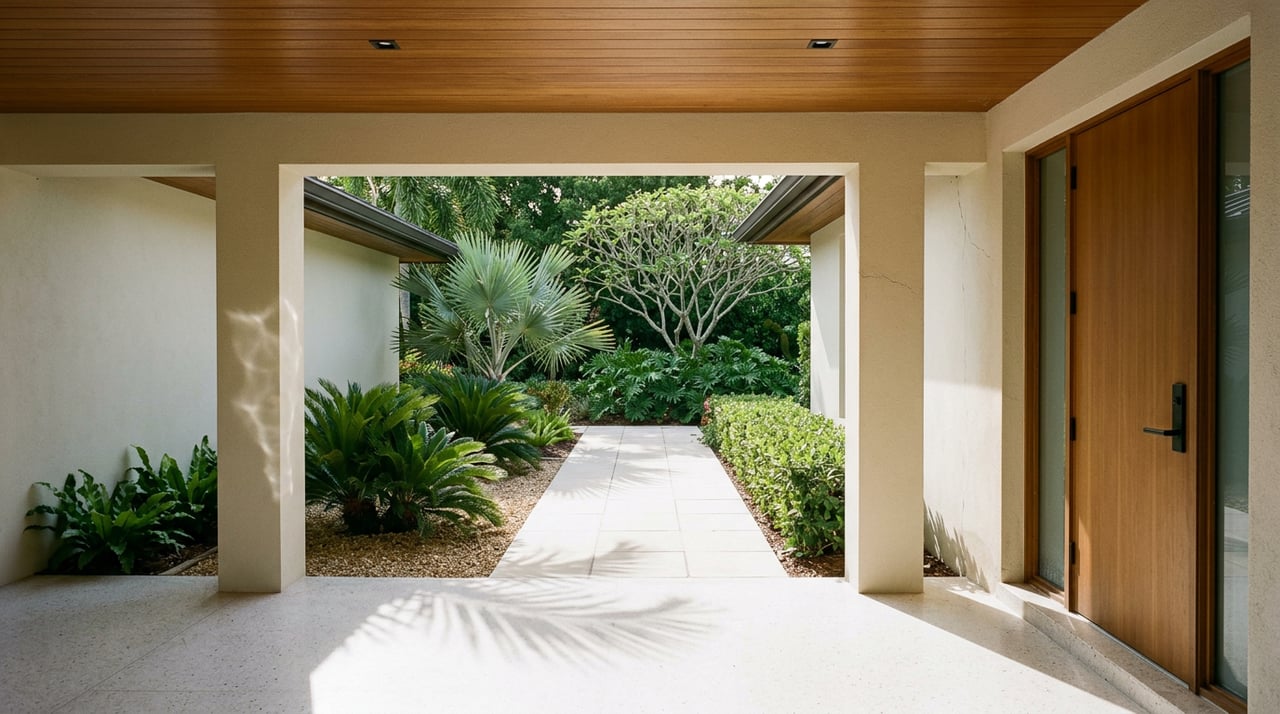
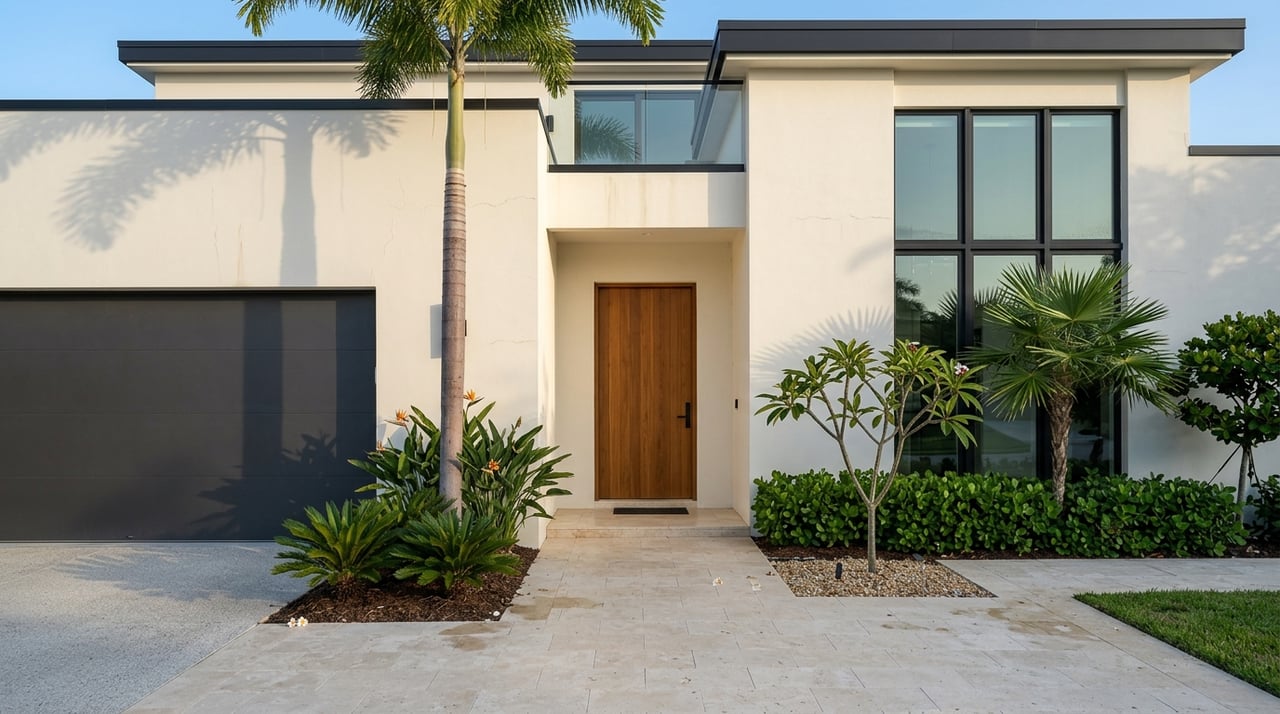
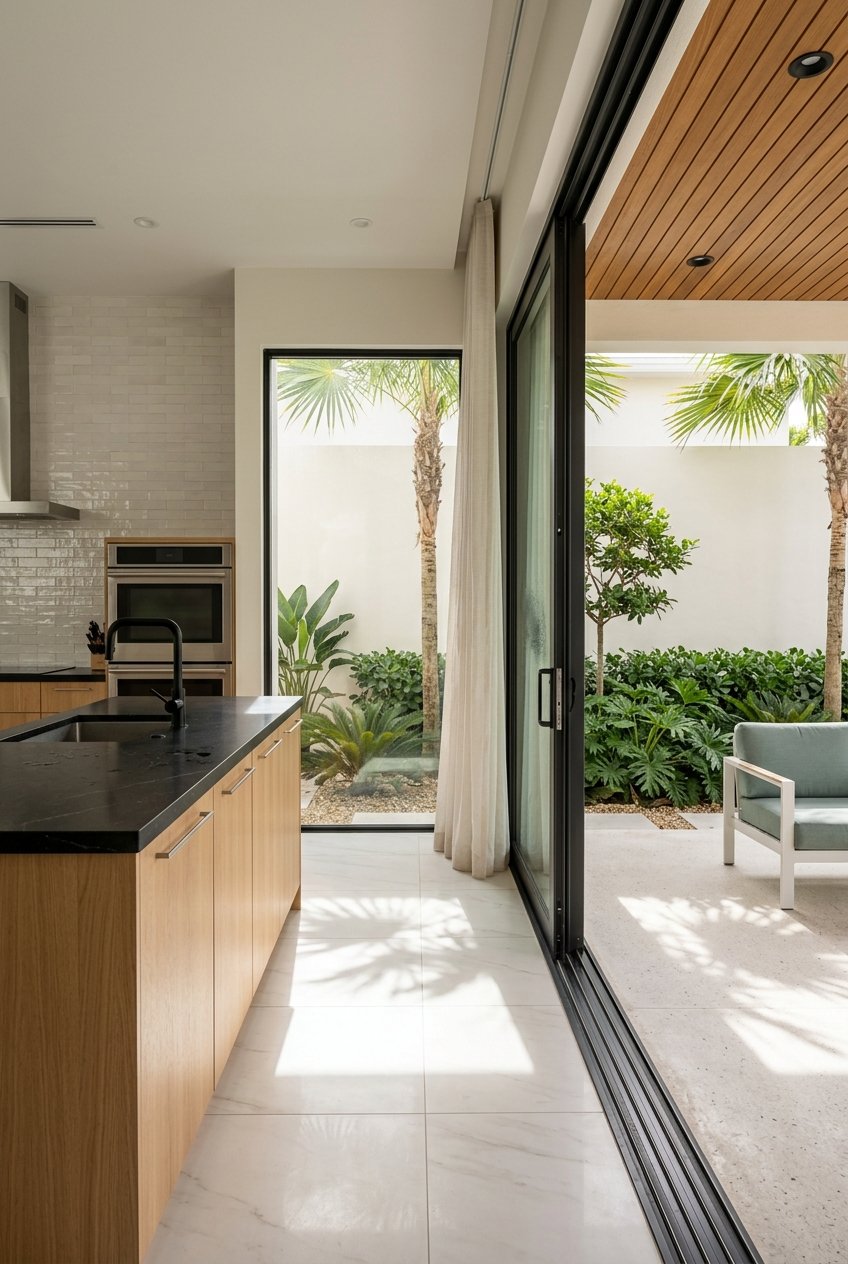
Are you torn between a shiny new build and a charming resale near Sunset Park? You are not alone. Many South Miami buyers want the custom features and hurricane-ready systems of new construction, but they also value mature trees, quick move-in, and established streets. In this guide, you will compare true costs, timelines, risks, and long-term value so you can choose with confidence. Let’s dive in.
What “new vs. resale” means here
Buying near Sunset Park usually comes down to three paths:
- New construction on a lot you own or purchase
- Teardown and rebuild on an existing lot
- Renovated resale, from light cosmetic updates to a major gut
Each path has different costs, permit steps, risk levels, and insurance outcomes. Your best choice depends on timing, budget, and how much customization you want.
Cost drivers in South Miami
South Florida’s geology and codes shape your budget from day one.
- Foundation and groundwater. Miami’s high water table and limestone often require engineered foundations and dewatering. Piles or enhanced slabs can add meaningful cost compared to many U.S. markets.
- Site work and demolition. Teardowns add demo, disposal, and sometimes tree or drainage mitigation. Expect more permit reviews than a light remodel.
- Renovation surprises. Hidden issues in older homes, like past unpermitted work, termite damage, or outdated systems, can change budgets midstream.
- Professional fees and permits. Architectural design, engineering, surveys, impact fees, and multiple plan reviews add up. Check current requirements with Miami‑Dade Building & Permitting or, if inside city limits, City of South Miami Building.
- Finish level and structure. Open floor plans, high wind-rated windows, new roofing systems, and premium finishes push costs higher. Guidance from industry groups like the National Association of Home Builders and regional cost publications can help frame ranges while you seek local bids.
For broad context, a light, cosmetic refresh is typically far less expensive than a custom new build. A major gut renovation can approach new-build budgets if you replace foundations or core systems. Always compare apples to apples, including contingencies of 10 to 20 percent for unknowns.
Timeline expectations
Your schedule depends on scope, permits, and weather.
- Minor renovation: about 4 to 12 weeks
- Major renovation: about 3 to 9 months
- New custom home: about 9 to 18 months
- Teardown and rebuild: often 9 to 18 months plus demolition phase
Plan review in Miami‑Dade often involves several rounds. Complex cases, like elevation changes in flood zones or variances for setbacks, can add months. Hurricane season from June through November can slow exterior work and inspections. Confirm submittal steps with Miami‑Dade Building & Permitting or City of South Miami Building so your expectations match the current queue.
Risk, inspections, and warranties
New construction usually offers clearer documentation and stronger warranty protections.
- New builds commonly include a 1‑year workmanship warranty, multi‑year coverage on systems, and structural coverage often up to 10 years. Terms vary, so get details in writing and review them carefully.
- Renovated resales depend on contractor warranties and product warranties from items like roofs or appliances. Verify that past renovations were permitted and closed out properly.
- Independent inspections matter for both. Order third‑party inspections for general condition, structure, pest, and moisture. For new builds, phase inspections at foundation, framing, and final can reduce surprises.
For general warranty and builder-practice basics, see consumer guidance from NAHB.
Financing and insurance basics
Financing options differ by project type.
- New builds and major remodels often use construction or renovation loans, with draw schedules and lender inspections. Some loans convert to a permanent mortgage.
- Standard mortgages are typical for move-in-ready resales. Appraisal and underwriting may be simpler.
Insurance in our market ties closely to flood and wind risk.
- Flood insurance is guided by your FEMA flood zone and elevation. Use the FEMA Flood Map Service Center to check the property’s zone and Base Flood Elevation.
- Newer homes built to current code often qualify for wind mitigation discounts. The Florida Building Code sets wind and hurricane standards that influence roof assemblies, impact windows, and structural connections.
If you plan to elevate a home or add mitigation features, you may lower long-term premiums. Balance that against upfront cost and timeline.
Local rules and site checks near Sunset Park
Jurisdiction and site conditions shape what you can build and how fast you can do it.
- Zoning and setbacks. Confirm the zoning district, setbacks, height, lot coverage, and any overlays. Teardowns do not always allow a much larger footprint without approvals. Start with Miami‑Dade Building & Permitting or City of South Miami Building, depending on the property’s location.
- Flood zone and elevation. Obtain flood zone and Base Flood Elevation from FEMA’s Map Service Center. Ask for any existing elevation certificate.
- Geotechnical and drainage. Order a soil report early to plan for piles or enhanced slabs. Review how stormwater will be handled on site.
- Trees and landscaping. Tree protection rules apply in many areas. Removal can require permits and mitigation plantings.
- Utilities and easements. Confirm sewer, water, and any easements that limit buildable area. Verify parcel data with the Miami‑Dade Property Appraiser.
These checks reduce rework and help you pick between a renovation and a ground-up plan with eyes wide open.
Lifestyle and resale tradeoffs
Consider how each path fits your daily rhythm and future resale.
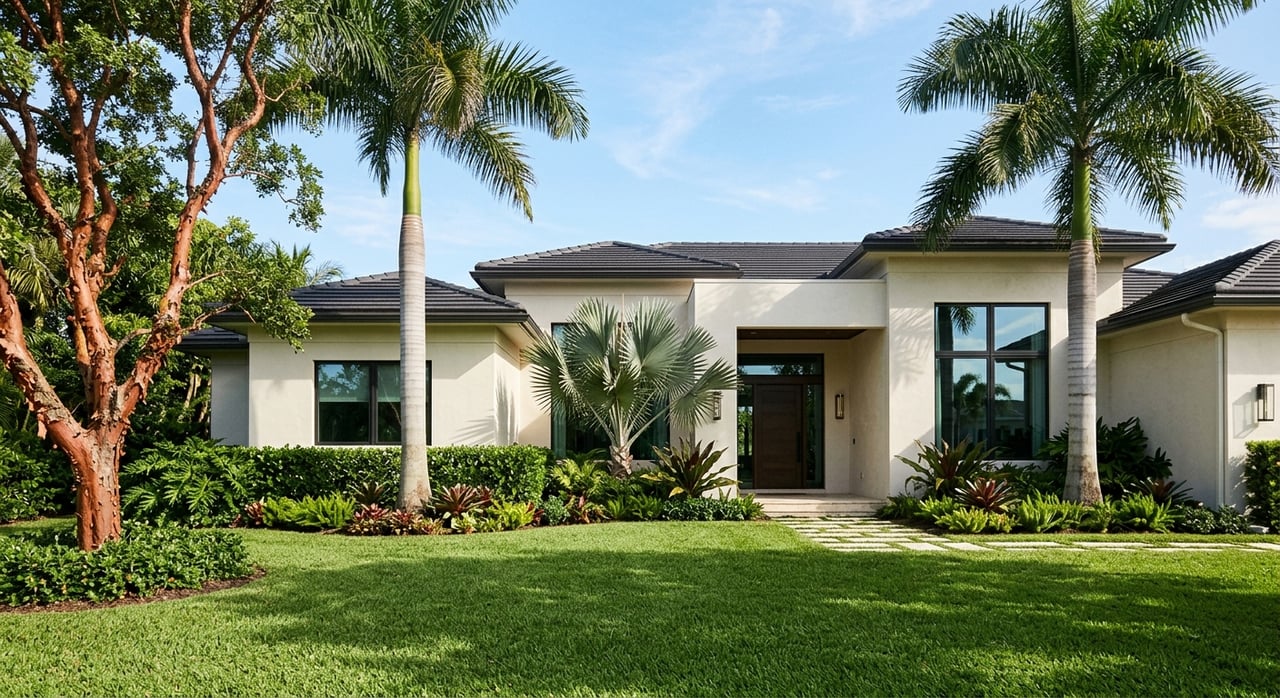
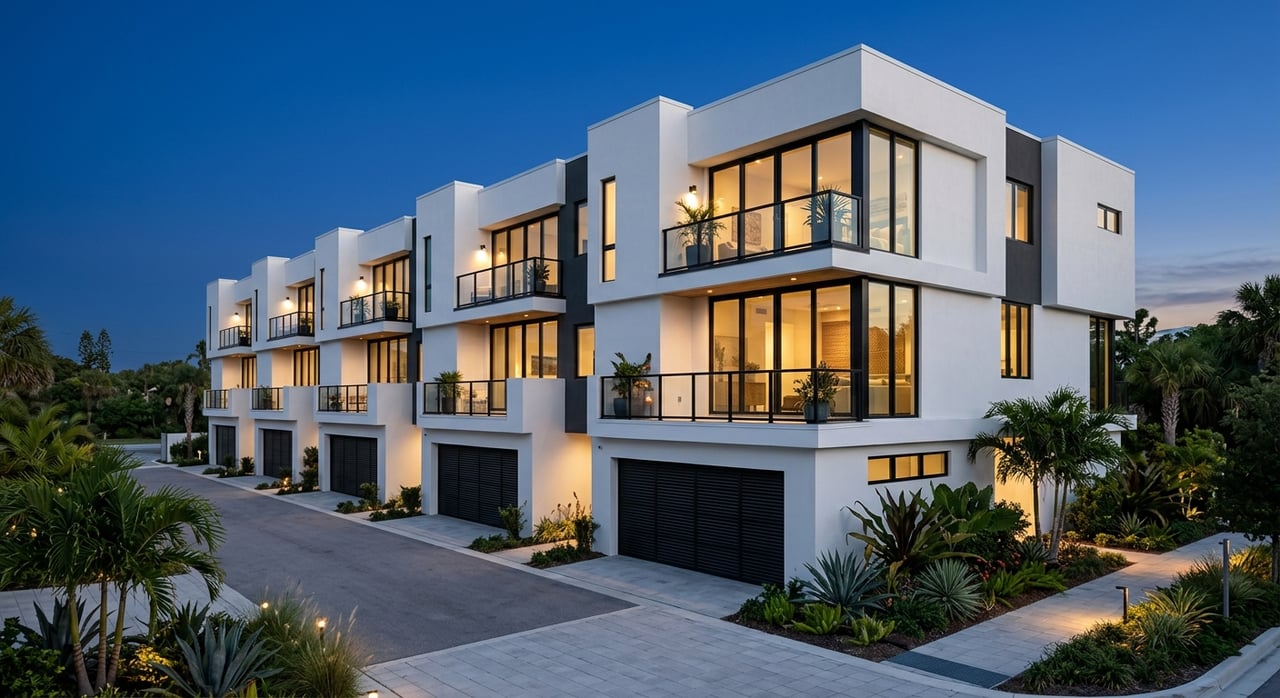
- New construction and quality teardowns deliver modern layouts, energy performance, and hurricane-rated systems that many buyers prefer. These features often support stronger resale pricing when aligned with neighborhood scale.
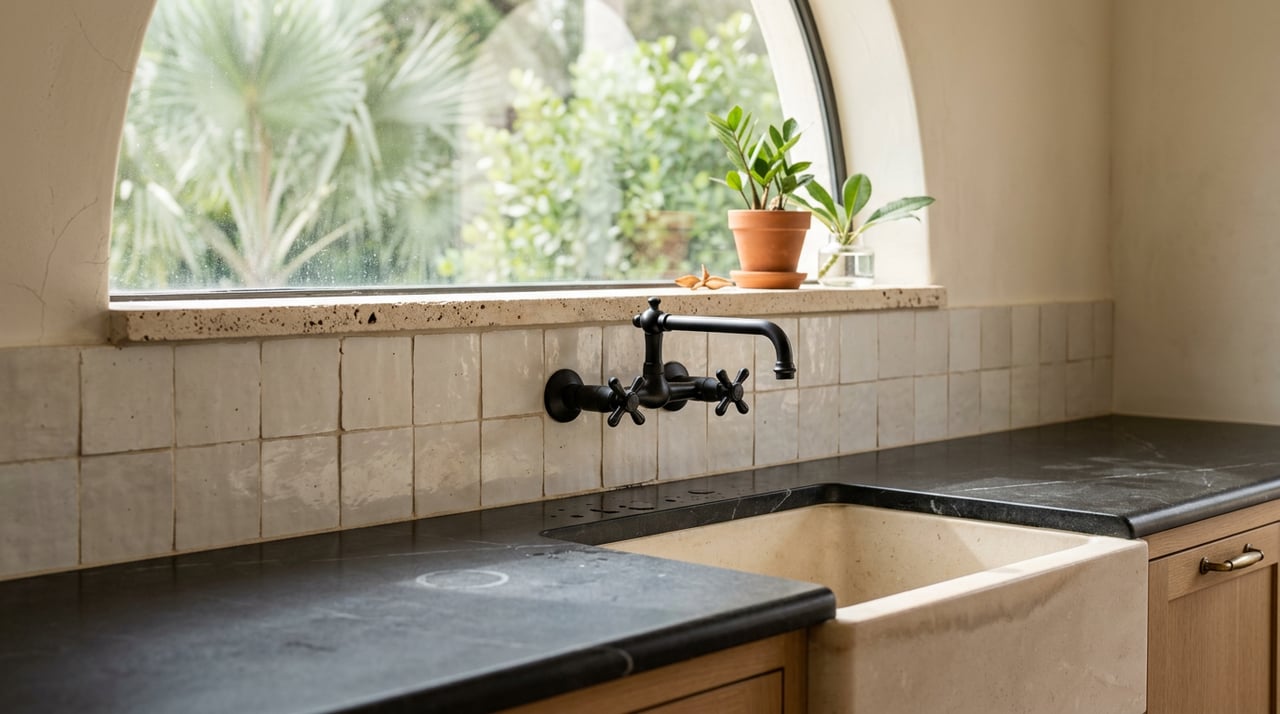
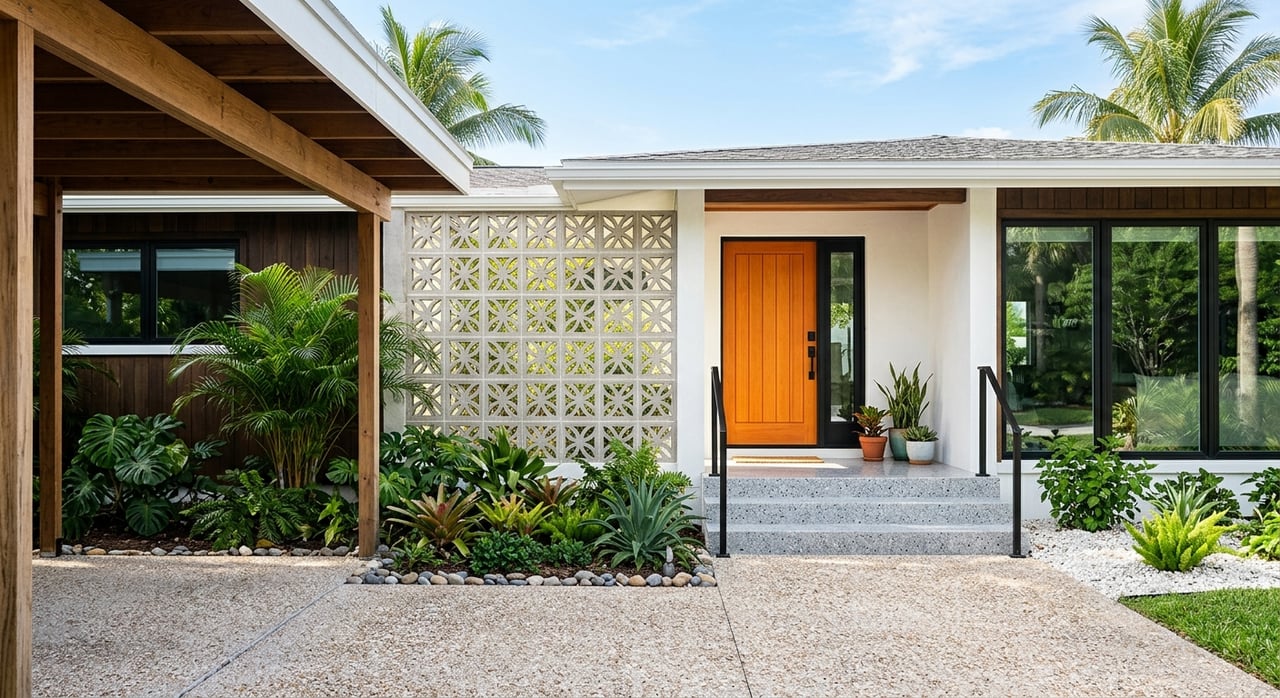
- Renovated resales can shine when they keep the street’s character, too. You may get a mature yard, a quicker move-in, and a lower entry price than a new build.
- Watch for overbuilding. The most expensive home on a block with smaller comps can be hard to price at resale. Check nearby sales and typical home sizes before committing.
Resources like the annual Remodeling Cost vs. Value report offer useful context on which projects tend to retain value.
Quick decision matrix
Score your priorities from 1 to 5, then see which option best fits.
- Customization needs: New build or teardown score highest. Light reno scores lowest.
- Speed to move-in: Light renovation wins. Major reno is moderate. New and teardown are slowest.
- Cost predictability: Light renovation is most predictable. New or teardown are midrange. Major reno has the most hidden-condition risk.
- Upfront capital and financing complexity: Light renovation is lowest. Major reno, teardown, and new builds are higher.
- Long-term performance: New and teardown are strongest due to current code standards. Renovation varies by scope.
- Regulatory risk: Light renovation is lowest. Teardown has the most steps and reviews.
Questions to ask a builder
Use this list before you sign a contract:
- Are you licensed in Florida and registered in Miami‑Dade? Share license numbers and proof of insurance. Verify through Florida DBPR’s license search.
- What is the proposed schedule and milestone plan? How do you handle weather or code-driven delays?
- How are change orders priced and approved? Which items are fixed price vs cost-plus?
- Who are your key subcontractors, and are they experienced with coastal requirements?
- What warranties do you provide for workmanship, systems, and structure? Are they transferable?
- How will you address foundation design for local soils and high water table? Will you include a geotechnical report and structural engineering?
- Which wind and hurricane-resistance features are included, and how do they align with the Florida Building Code?
- Who handles all permits, inspections, and the Certificate of Occupancy? How are corrections managed?
- How will you protect the site and manage drainage during construction?
Questions to ask about a resale
When you tour a renovated home, ask:
- Were past renovations permitted and finalized? Can you provide permit numbers and sign-offs?
- How old are the roof, HVAC, plumbing, and electrical panel? Are there receipts and warranties?
- Has the home had flood, water intrusion, or hurricane damage? Any insurance claims?
- What is the FEMA flood zone and elevation relative to Base Flood Elevation? Is there an elevation certificate?
- Are there open permits, code issues, or recorded easements? Confirm parcel details with the Miami‑Dade Property Appraiser.
- How is drainage handled on the lot? Any chronic standing water after storms?
Smart next steps
- Verify jurisdiction and zoning with Miami‑Dade Building & Permitting or City of South Miami Building.
- Pull the FEMA flood map and check BFE using the FEMA Flood Map Service Center. Ask for prior flood claim history if available.
- Order a current survey and request any prior permits and final inspections for the existing structure.
- Schedule a geotechnical investigation early to confirm foundation type and costs.
- Obtain concept-level bids for your short list: light renovation, major renovation, and new build. Include 10 to 20 percent contingency.
- If a teardown is likely, review demolition rules and tree ordinances before you buy.
If you want a calm, step-by-step plan tailored to Sunset Park and nearby streets, connect with Eric Firestone for a neighborhood consultation.
FAQs
What should I check first when comparing new build vs. resale near Sunset Park?
- Start with jurisdiction and zoning, flood zone and BFE, a current survey, and a geotechnical report for new builds. These items shape what is possible on the lot and your carrying costs.
How long does a South Miami teardown and rebuild usually take?
- Plan for about 9 to 18 months, plus the demolition phase and permit review cycles. Weather and plan revisions can extend that timeline.
How do flood zones affect buying in Miami‑Dade near Sunset Park?
- Your FEMA flood zone and elevation affect required building elevation and flood insurance costs. Check details using the FEMA Map Service Center.
Are newer homes cheaper to insure for wind in Miami?
- Often yes. Homes built to current Florida Building Code standards may qualify for wind mitigation discounts, depending on features like impact openings and roof connections.
How can I verify a contractor’s license for a project near Sunset Park?