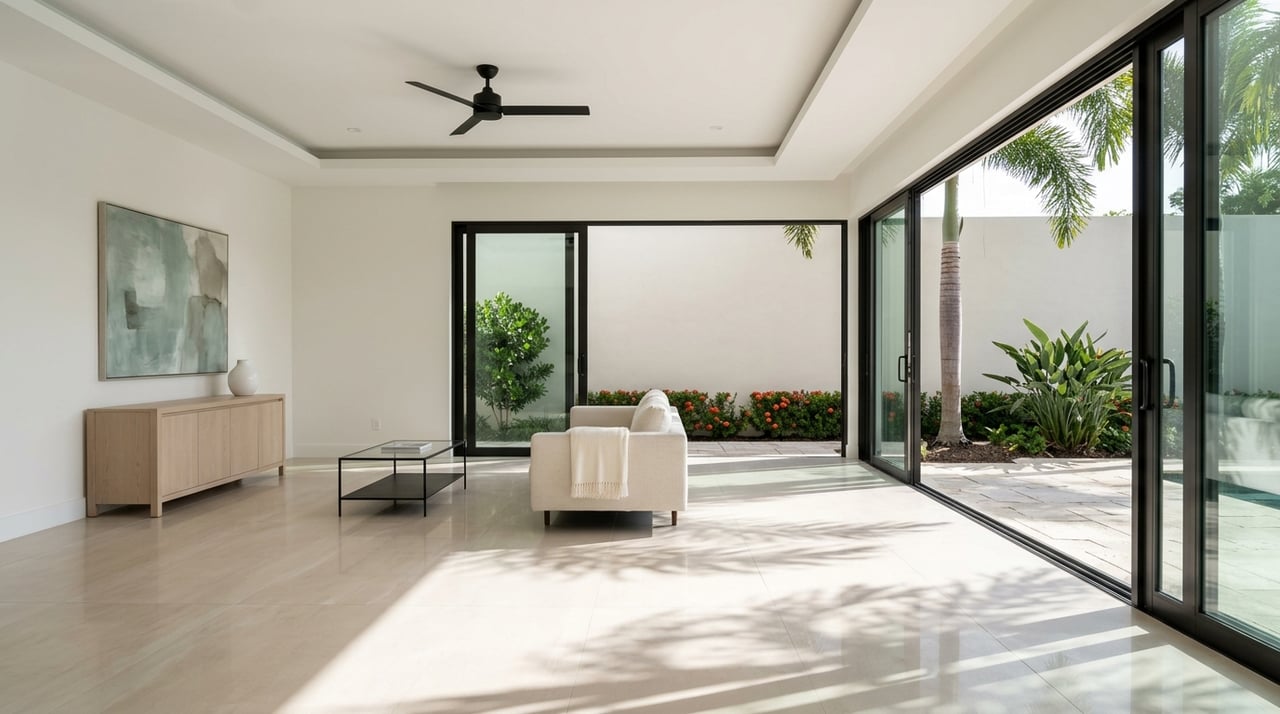
Selling An Inherited Home In Coral Gables
Inherited Homes Eric Firestone April 2, 2026
Inherited Homes Eric Firestone April 2, 2026
Losing a loved one is hard enough. Figuring out what to do with an inherited house in Coral Gables can make an already emotional time feel even heavier. If you are preparing to sell, it helps to know who has the legal authority to act, how probate can affect timing, and what local property issues can delay a closing. Let’s dive in.
Before you list the property, you need to confirm who actually has authority to sell it. In Florida, that depends on how the home was titled and whether it must go through probate.
According to The Florida Bar’s probate guidance, a home may be a probate asset if it was titled only in the deceased person’s name or held as tenants in common. By contrast, property owned with rights of survivorship or as tenancy by the entirety often passes outside probate.
Homestead property can add another layer. The same Florida Bar guidance explains that if a decedent’s homestead was titled in the decedent’s name alone and both a spouse and descendants survive, the spouse may receive a life estate, or may elect a one-half interest if the required statutory steps are followed.
In practical terms, this means you should not assume every heir can sign and sell. The person with authority may be a surviving owner, a spouse with specific rights, or a court-appointed personal representative.
If the property is part of a probate estate, the court document that proves the personal representative’s authority is called Letters of Administration. The Florida Bar notes that this document is what confirms the personal representative can act for the estate.
That matters to buyers, title companies, and closing agents. If authority is unclear, the sale can stall even if everyone agrees the home should be sold.
The Florida Bar states that a personal representative should always engage a qualified attorney. That is especially important when the estate includes real property, possible creditor claims, or questions about homestead rights.
A real estate agent can help you prepare and market the home, but probate authority is a legal issue first. Getting that part right early can save you time, stress, and avoidable delays later.
One of the biggest surprises for families is that selling an inherited home rarely moves as fast as a standard sale. Even when the home is market-ready, the probate process often sets the pace.
Florida probate is designed to collect assets, notify creditors, pay valid claims, and distribute what remains. According to The Florida Bar, a straightforward estate usually must remain open through the three-month creditor period, and a simple probate often takes about five or six months.
That does not always mean you must wait until the entire estate is closed before selling. The Florida Bar notes that a personal representative may need to sell real estate before the probate estate is fully settled, but disputes, creditor claims, and tax issues can stretch the timeline.
A few probate deadlines can affect your next steps:
These details matter because they shape the estate’s paperwork and closing calendar.
In some situations, Florida allows a shorter process. Under Florida statutes on administration of estates, summary administration may be available if the Florida estate subject to administration, after exempt property is removed, does not exceed $75,000, or if the decedent has been dead for more than two years.
There is also a narrower process called disposition without administration, but it applies only to limited personal property, not the sale of a house. So if you are selling an inherited home in Coral Gables, that option generally will not apply.
The Miami-Dade Clerk’s Probate Court page explains that the small-estates path is only for cases with no real property and assets of $6,000 or less, when the decedent was a Miami-Dade resident. Since a house is real property, most inherited home sales will not fit that route.
In Coral Gables, the legal side is only part of the picture. Local property conditions, permits, and preservation rules can affect how quickly you can prepare the home for market.
If the home is older or may have historic significance, check whether it falls under local preservation review. The City of Coral Gables has a Historic Preservation division that handles historic structures, Certificate of Appropriateness applications, and Historic Determination Letters.
This matters because certain exterior changes or repairs may need review before work begins. If you inherit an older Coral Gables home, verifying this early can help you avoid costly surprises.
It is common to make light updates before selling, especially if the home needs roof, window, structural, or mechanical work. The city states that all building permit applications and plan submittals must be submitted electronically.
Before you start repairs, confirm whether permits are required. Unpermitted work can create problems during buyer inspections, title review, or insurance underwriting.
You should also check for unresolved city issues before listing. Coral Gables Code Enforcement can issue notices of violation or civil citations under city and zoning codes.
An inherited home that has been vacant or lightly maintained may have open violations the family does not know about. Clearing these items early can make your listing stronger and help reduce closing delays.
Inherited property sales often involve questions about taxes, exemptions, and title records. The sooner you organize this information, the smoother the closing process tends to be.
Florida does not impose an estate tax for decedents who died on or after January 1, 2005, according to the Florida Department of Revenue. However, if a federal estate tax return is required, forms such as DR-312 or DR-313 may still be needed to release a Florida estate-tax lien.
Those forms are filed with the clerk in the county where the property is located. This is one reason probate counsel and the title company should be looped in early.
If the inherited home had a homestead exemption, the family should review whether the property’s use or ownership status has changed. Miami-Dade says property owners must promptly notify the Property Appraiser if the property’s use or the owner’s status changes in a way that affects the exemption.
The exemption remains until the property is sold or is no longer the homeowner’s primary residence. For inherited properties, this can be an important administrative item to revisit after death.
A clean title trail helps the sale move forward. Miami-Dade’s official records system includes deeds, mortgages, and liens, and certified copies can be requested online, by mail, or in person.
For sellers, this record trail helps confirm ownership history, liens, and authority to transfer title. If there are any gaps or questions, it is better to uncover them before the property goes live.
If you want the smoothest path possible, think about the sale in phases instead of trying to solve everything at once.
Work with probate counsel to determine whether the home passes outside probate or requires court administration. If probate is involved, make sure the personal representative and Letters of Administration are in place before major sale decisions are made.
Walk through the home with a clear eye. Identify deferred maintenance, possible permit issues, signs of vacancy-related wear, and any local concerns tied to historic review or code compliance.
Gather the will, probate filings, title records, mortgage information, tax records, and any prior permit documents. This step helps your attorney, title company, and real estate professional work from the same facts.
Coral Gables is a high-value market, and presentation still matters. Even though a Feb. 2026 Zillow snapshot suggested an average home value around $1.49 million, a median sale price of $1.298 million, and median days to pending of 80, pricing and condition still shape your result in a meaningful way. Pricing a home can drastically effect how long a home should stay on the market in Miami before adjusting.
The safest approach is to align the personal representative, probate attorney, title company, and listing agent from the start. When authority, taxes, permits, and property prep are handled together, you are more likely to avoid last-minute issues.
Selling an inherited home here is rarely just about putting a sign in the yard. Coral Gables properties can involve older construction, local permitting requirements, code compliance questions, and homestead or probate issues that need careful coordination.
That is where calm, organized guidance makes a difference. When you have a local strategy and the right professionals involved early, you can reduce stress and make better decisions at each step.
If you are preparing to sell an inherited home in Coral Gables and want a steady, low-stress plan for the process, connect with Eric Firestone. You will get thoughtful local guidance, clear communication, and support built around your timeline and your family’s needs.



Get assistance in determining current property value, crafting a competitive offer, writing and negotiating a contract, and much more. Contact me today.