What Living in Pinecrest FL Is Really Like Every Day
May 14, 2026
May 14, 2026
Looking for a Miami-area neighborhood where parks, schools, and day-to-day convenience all work together? Pinecrest stands out because it feels established, green, and intentionally designed for everyday living. If you are considering a move, this guide will help you understand what Pinecrest feels like on a normal Tuesday, not just on a weekend drive-through. Let’s dive in.
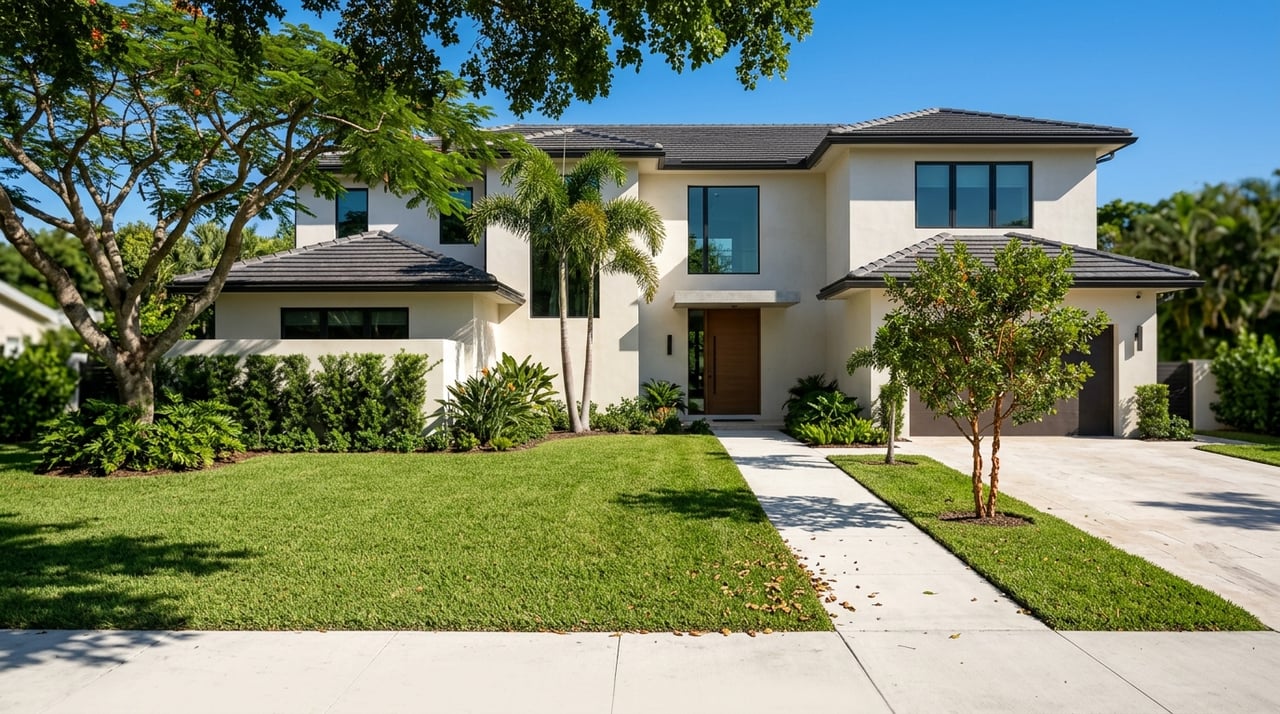
Pinecrest is a suburban village in southwest Miami-Dade with about 18,388 residents across roughly eight square miles. It is known for tree-lined streets, large residential lots, and an established feel that comes from decades of single-family development rather than waves of brand-new construction.
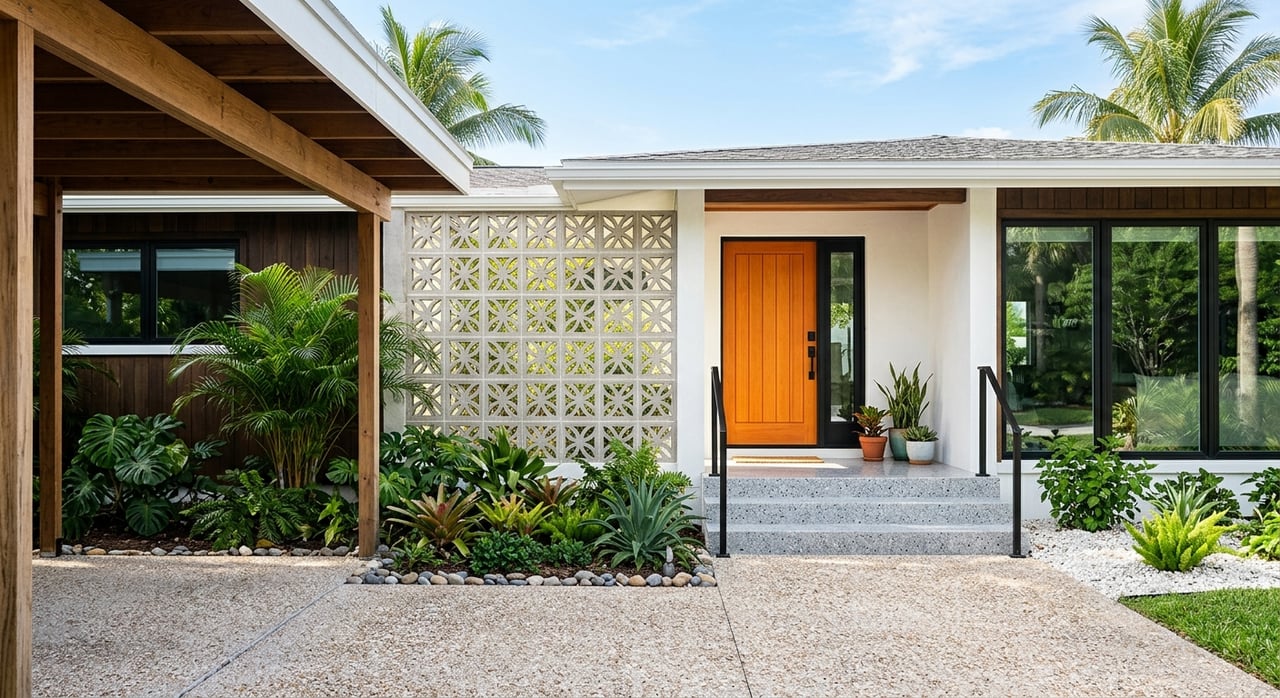
The village was incorporated in 1996, but much of its residential identity took shape in the 1950s and 1960s. Many homes were originally built as ranch-style properties on large lots, and the area is now considered virtually built out. That matters if you want a neighborhood that feels settled and consistent over time.
For many buyers, Pinecrest offers a specific kind of lifestyle. You get a suburban setting with strong local amenities, but you are still connected to the broader South Miami and Miami-Dade area. It is a place where home life, recreation, and routine errands often fit together in a practical way.
Parks are not just a bonus in Pinecrest. They are a central part of daily life. The village manages nine parks and offers more than 150 programs for different ages and interests.
That level of programming can make a real difference when you are trying to picture your weekly routine. Instead of relying only on private clubs or long drives for activities, you have village-supported options built into the community.
Coral Pine Park is one of the most versatile recreation spaces in Pinecrest. It includes a playground, a great lawn, lighted walking paths, pickleball and tennis courts, a pro shop, a multipurpose room, and a 2.9-acre pineland preserve.
If you want a park that can serve different needs in one visit, this is a good example of Pinecrest’s appeal. You can fit in a walk, let kids use the playground, or plan around court sports without having to leave the neighborhood.
Pinecrest’s park system includes spaces with distinct roles, which helps residents match activities to their routines.
This variety supports a flexible lifestyle. Whether you want sports fields, dog-friendly space, or a simple walking route, Pinecrest has options that are easy to work into a normal week.
The Pinecrest Community Center is another major part of village life. It includes a state-of-the-art gym that is open seven days a week, fitness classes, youth and adult programs, an indoor play zone, a café, and event spaces.
For buyers comparing neighborhoods, this kind of amenity can be a meaningful quality-of-life factor. It gives you one place for exercise, programs, and community activity, which can make busy schedules easier to manage.
Pinecrest also stays active through year-round events and programming. The village calendar includes the FitCrest 5K, Bike Day, Zombie Run, Track or Treat, Movies on the Lawn, Daddy Daughter Dance, and a Veterans Day Ceremony.
FitCrest Friday adds free gym access along with open pickleball and teen basketball programming. These events help define Pinecrest as more than a residential address. They create a regular rhythm that many residents value when choosing where to live.
Pinecrest Gardens gives the village a distinctive cultural and outdoor anchor. It is a 14-acre botanical garden on the former Parrot Jungle property and has been listed on the National Register of Historic Places since 2011.
The Gardens welcome more than 140,000 visitors annually, which speaks to their role in both local life and the wider area. For residents, this is not just a place you visit once. It often becomes part of your weekend routine.
The area around Pinecrest Gardens is also tied to recurring community habits. The village connects the Sunday farmers market and nearby composting drop-off to the Gardens area, giving residents a practical reason to return regularly.
Schools are a major reason many buyers look at Pinecrest, and the local school landscape is one of the village’s best-known features. The village identifies five public schools as part of the local ecosystem: Palmetto Elementary, Pinecrest Elementary, Howard Drive Elementary, Palmetto Middle, and Miami Palmetto Senior High.
Current GreatSchools ratings listed in the research report are 10/10 for Palmetto Elementary, 9/10 for Pinecrest Elementary, 9/10 for Howard Drive Elementary, 8/10 for Palmetto Middle, and 6/10 for Miami Palmetto Senior High. As with any ratings platform, it helps to use scores as one data point rather than your only decision tool.
Some of the local public schools also offer specialized academic programs. Pinecrest Elementary includes a gifted and talented program. Howard Drive Elementary offers gifted and talented plus Cambridge International.
Palmetto Middle also includes gifted and talented and Cambridge International programming. Miami Palmetto Senior High offers Advanced Placement courses, gifted and talented programming, and 23 sports.
Taken together, the school profile suggests strong elementary and middle school interest for many relocating households. The high school picture appears more mixed on rating sites, so buyers often benefit from reviewing program offerings and day-to-day fit alongside published scores.
Private options also expand the choices available to families in and around Pinecrest. Bet Shira Early Childhood Center is located in Pinecrest at 7500 SW 120th Street and focuses on early childhood education in a nurturing setting.
Alexander Montessori serves children from 18 months through age 12 across four Miami campuses, including Palmetto Bay and Red Road, and offers a free shuttle from its Red Road location. Palmer Trinity, located in nearby Palmetto Bay, is an independent Episcopal day school for grades 6 through 12 on nearly 60 acres.
Pinecrest supports mobility in a way that fits its suburban layout. Instead of relying on dense urban transit patterns, the village uses local transportation services and infrastructure improvements to help residents move through the area.
One notable option is the Pinecrest People Mover, a free bus system that connects neighborhoods and schools. It includes separate middle school and high school schedules and also connects to Metrobus.
The village transportation master plan also includes traffic calming, sidewalk improvements, operational fixes, and an on-demand free electric car service. For buyers who care about ease of movement but prefer a quieter suburban setting, that combination can be especially appealing.
Pinecrest does not revolve around a downtown core in the traditional sense. Instead, much of its everyday activity is concentrated along Pinecrest Parkway and US-1 on the village’s western boundary.
According to the village, that corridor includes more than 750 businesses and eateries. In practical terms, this means many residents can cluster errands, dining, and services in one main stretch rather than crisscrossing multiple commercial districts.
That setup supports convenience without changing the residential feel of the interior neighborhoods. For many households, it creates a nice balance between quiet streets at home and easy access to daily needs.
One of the clearest themes in Pinecrest is its tree canopy. The village identifies itself as a Tree City USA community and says it has planted more than 10,000 street trees since 1997.
Its homepage also lists 50,837 street trees, which helps explain why the village has such a shaded, established look. Pinecrest even offers an Adopt-a-Tree program for residents, reinforcing how central landscape and maintenance are to the community identity.
For buyers, this green character is more than a visual detail. It shapes how streets feel, how neighborhoods age, and how the village presents itself overall.
If you are considering a move, it helps to connect Pinecrest’s lifestyle with its housing market. This is an established, higher-price residential area with a strong single-family identity and limited room for large-scale new development.
Recent data in the research report reflects that positioning. The village lists an average market value of $2,051,178. Zillow’s March 31, 2026 home value index puts typical value at $2,172,519, while Redfin’s March 2026 median sale price was $2,168,750.
Redfin also reported homes taking about 101 days to sell with a 94.1% sale-to-list ratio, and described the market as not very competitive. Zillow’s March 31, 2026 average rent was $5,405.
What does that mean for you? Pinecrest tends to attract buyers and renters who are looking for an established village feel, larger homesites, and a park-and-school-centered lifestyle. Because the market is largely built out, available opportunities can feel more limited and more specific than in areas with heavier new construction.
Pinecrest may be a strong fit if you want a residential setting where parks, school options, and everyday convenience are all part of the same lifestyle picture. It especially stands out for people who value mature landscaping, established housing stock, and a village with active municipal programming.
It may also appeal to you if you want a South Miami-area location where recreation is easy to access and errands are relatively streamlined. The combination of nine parks, a busy community center, Pinecrest Gardens, local transportation support, and a concentrated retail corridor creates a very livable daily pattern.
The best way to evaluate Pinecrest is to look beyond headlines and see how the neighborhood fits your real routine. Your ideal match depends on what matters most to you, whether that is lot size, recreation access, school options, commute patterns, or overall lifestyle flow.
If you are weighing a move to Pinecrest, buying nearby, or comparing Pinecrest with South Miami and other surrounding neighborhoods, Eric Firestone can help you sort through the details with calm, hyperlocal guidance.

Get assistance in determining current property value, crafting a competitive offer, writing and negotiating a contract, and much more. Contact me today.