Why Calm Wins in Volatile Real Estate Markets
Agent Strategy Eric Firestone | Branch Leader March 10, 2026
Agent Strategy Eric Firestone | Branch Leader March 10, 2026
Volatility creates noise.
Headlines shift. Inventory fluctuates. Interest rates move. Buyers hesitate. Sellers grow impatient.
And in that environment, most decisions are made emotionally.
That is precisely when discipline matters most.
Having taught and fostered national, award-winning choral programs for over 19 years, discipline has always been at the heart of my teachings. Discipline is doing what you need to do, even when you don't want to do it.
But, how do you do that? Is discipline something you are just born with?
My experience has shown that lack of discipline is a lack of systems. Systems are processes that occur after an action triggers those processes.
For example, if prospecting is something you want to add to your daily schedule, a system would be to block off time in your calendar, and create a reminder (trigger) for you to start your prospecting. The processes that then commence from there, like gathering the names and numbers, dialing, and using the scripts to talk to your potential new clients would then come after. Another process would be to simultaneously input your gathered information from the calls into your CRM.
After a week of implementing this system, you then need to audit and evaluate the effectiveness of this system. Maybe you found some friction within the system, like not being near your CRM when it was time to prospect, so then you realize you need to create a new trigger to spark a different system to either input info into your CRM later, or maybe the trigger makes you stop whatever it is you are doing, and get to your CRM in time for you to actually prospect.
This is how you build discipline. Create systems and remove frictions to make your desired action easier to accomplish.
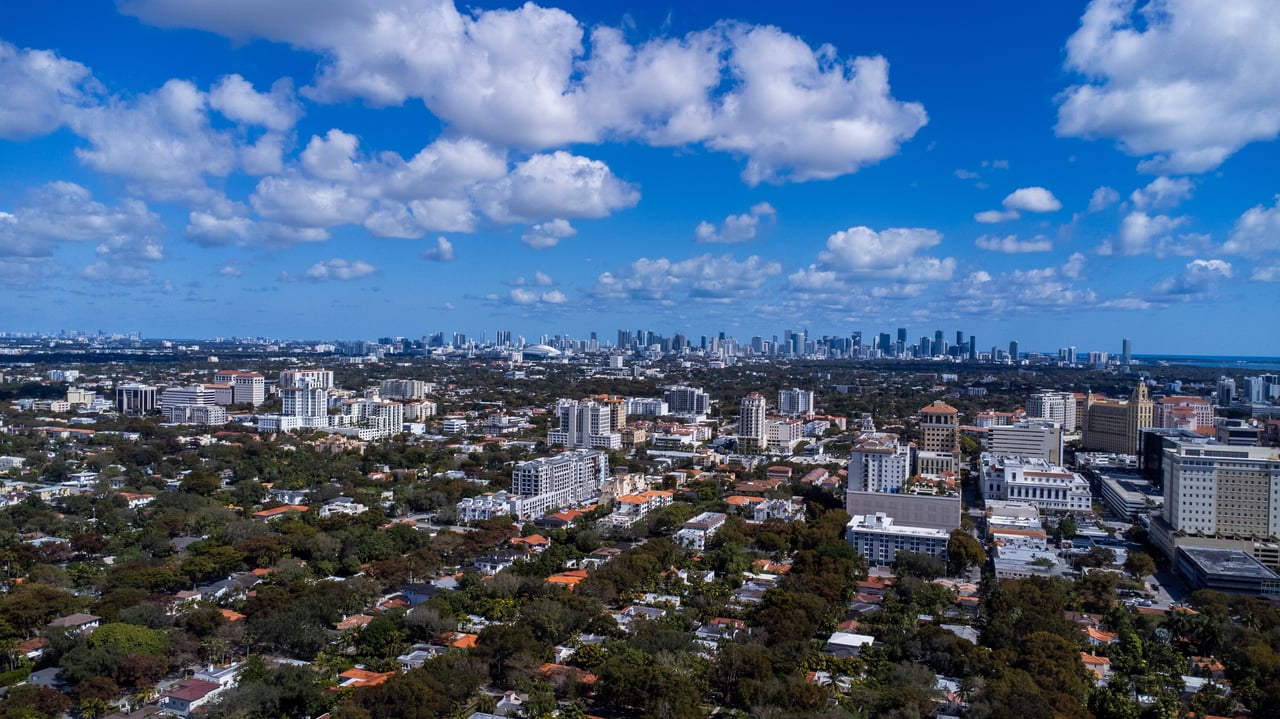
In Miami’s globally connected market, volatility is not unusual.
Capital flows from Latin America.
Domestic relocation trends shift.
Condo regulations evolve.
Inventory rises in certain micro-markets.
The inexperienced agent reacts to headlines. The disciplined advisor studies behavior, because volatility is rarely uniform.
It is neighborhood-specific.
Price-bracket-specific.
Property-type-specific.
Calm requires understanding nuance.
In volatile conditions, many agents:
Reduce price too quickly
Chase activity instead of alignment
Concede leverage to relieve pressure
That approach may create short-term movement, but it often costs long-term value. Affluent sellers do not need urgency. They need clarity. Before adjusting price, exposure must be validated. Before conceding position, buyer behavior must be interpreted.
That is not delay. That is control. Price reductions must be strategic in Miami.
The Harmony & Homes Experience was designed for markets like this.
It is structured around alignment:
Preparation.
Promotion.
Pricing.
In volatile periods, those three must remain synchronized.
When they do, sellers maintain confidence, even when headlines suggest uncertainty.
Calm is not passive. Calm is informed.
International buyers compare relentlessly. Domestic relocation buyers evaluate risk. Luxury buyers analyze scarcity.
They are not reacting to news cycles, they are evaluating value. When sellers react emotionally, buyers sense weakness. When sellers remain disciplined, buyers sense strength.
And strength preserves leverage. Read here to strengthen your knowledge on how international buyers influence price in Miami.
Volatility exposes strategy. Some agents chase movement. Others maintain position. In changing markets, calm wins.
Not because it avoids reality, but because it understands it.



Get assistance in determining current property value, crafting a competitive offer, writing and negotiating a contract, and much more. Contact me today.