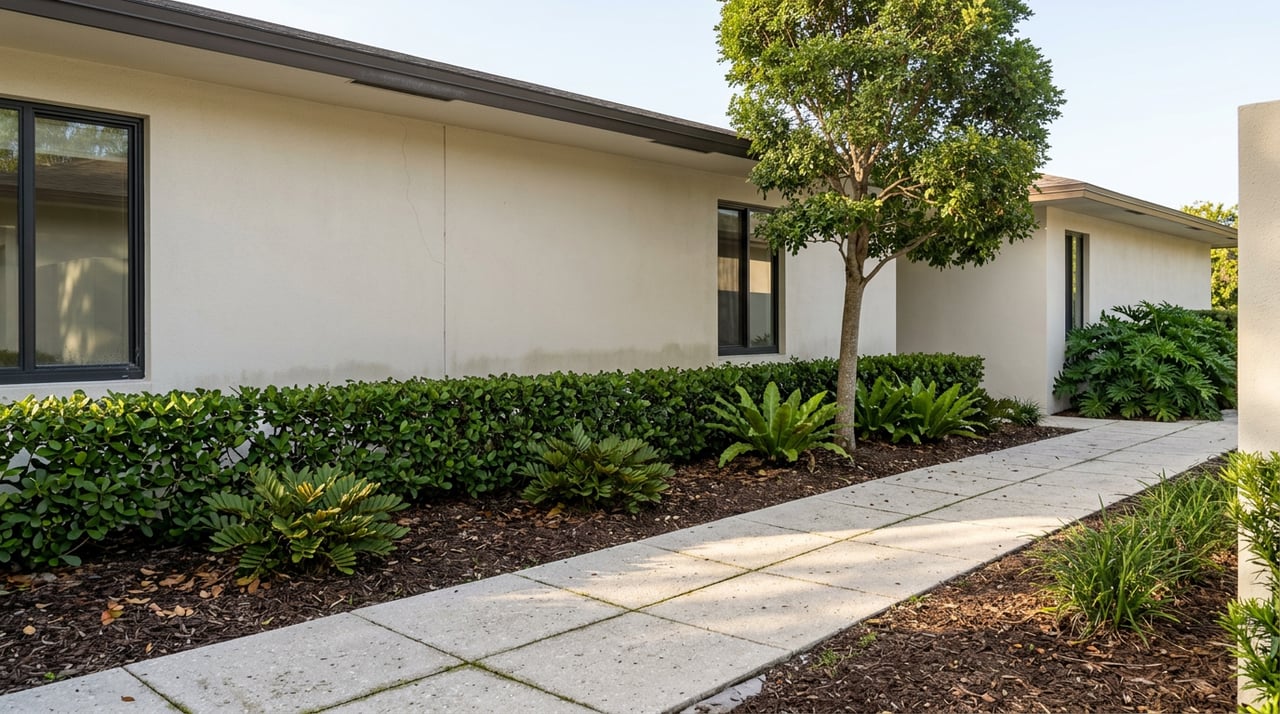
Selling a Pinecrest Home With Septic or Well? Here's What Changed in 2026
August 13, 2026
August 13, 2026
In 2022, a Pinecrest seller could list a half-acre lot with a forty-year-old septic tank and a private well nobody had tested in a decade, and the buyer would never bring it up. Multiple offers meant waived inspections, and whatever sat buried under the lawn simply wasn't part of the conversation. List that same lot today, with that same tank, and a buyer's inspector will open it, measure the sludge line, and price the repair into the offer.
That's the real story in Pinecrest right now. The house hasn't changed. The market around it has, and that shift is what turns a background detail into a line item at the closing table.
Active single-family listings pulled from the Southeast Florida MLS in July 2026 show asking prices across Pinecrest ranging from $1.3 million to $22.5 million, with a median near $4.7 million and a typical price around $987 per square foot on a median lot of roughly 0.85 acres. The typical active listing was built around 1997, which means a large share of what's on the market today predates current septic tank sizing requirements by decades.
That last point matters more than it sounds like it should. Through mid-2026, Pinecrest has settled into a slower, more balanced pace after the buying frenzy of 2022, with modest annual appreciation in the low single digits and more inventory sitting on the market than sellers were used to a few years ago. When inventory rises and buyers have more homes to compare, they stop waiving the parts of due diligence that used to feel optional. Septic and well systems, invisible during the sprint years, are exactly the kind of detail that resurfaces once buyers have the leverage to ask questions.
Pinecrest's large lots are part of the appeal, and that lot size is also why so many of them still run on private septic and well systems rather than county sewer and water. High water tables, lush landscaping, and seasonal storms create conditions where a poorly maintained system fails faster here than it would on higher, drier ground.
The Village of Pinecrest's own guidance on private wells notes that owners of private wells are responsible for ensuring their own water is safe from contaminants, and that the area has historically seen incidents of arsenic, solvents, nitrate, and the pesticide Dieldrin. The village recommends testing well water regularly for total coliform bacteria, nitrates, total dissolved solids, and pH. None of that is meant to alarm anyone who has lived on well water for twenty years without issue. It's meant to explain why a buyer's lender or inspector is going to ask for documentation you may not have thought to keep.
Septic systems face a parallel problem underground. Shallow soils over porous limestone, combined with a water table that rises in the wet season, reduce how effectively a drain field can treat wastewater before it reaches groundwater. A system that performs fine in March can show signs of strain by September, which is exactly why a savvy buyer's inspector will ask when the last inspection happened and under what conditions.
A real septic and well inspection goes well beyond lifting a lid and looking inside. Expect a buyer's inspector to check:
That last item catches more sellers off guard than any other. A system that was legal when installed decades ago isn't automatically compliant with current code, and homes built before 1983 may still have undersized 500 or 750-gallon tanks where today's code calls for 900 gallons or more. Florida doesn't force existing systems to meet current standards unless a major repair or replacement triggers the upgrade, but a buyer's lender doesn't have to accept that logic if the inspection report raises red flags.
| Issue | Typical Cost |
|---|---|
| Septic inspection alone | $250 to $500 |
| Inspection plus pre-listing pump-out | $400 to $800 |
| Drain field replacement, conventional system | $5,000 to $15,000 |
| Drain field replacement, mound or ATU system | $12,000 to $30,000 |
| Root intrusion repair | $500 to $1,500 |
The gap between the top and bottom of that table is the entire negotiation. A seller who orders an inspection before listing walks into showings knowing which number applies to their property. A seller who waits for the buyer's inspector to find it first is negotiating from behind, often with a closing date already at risk.
Adding to the timing, regional septic contractors serving Pinecrest report that Miami-Dade's environmental regulator has introduced a mandatory septic system registration requirement taking effect in 2026. If your property runs on septic, confirming your system's registration status before you list is worth doing early, since a lapsed or missing registration is one more item a cautious buyer's team can use to slow a closing down.
Florida doesn't mandate a septic inspection before a home sale at the state level, but most lenders effectively require one anyway. FHA and VA loans almost always call for a septic and well evaluation, and even conventional buyers routinely make their offer contingent on one. Separately, Florida law requires sellers to disclose known material defects, and a septic system that's already showing signs of failure qualifies. If you know the drain field floods every wet season, that's not something a pre-listing coat of paint solves.
Wells carry their own set of expectations. Federal guidance for real estate professionals recommends that sellers schedule an annual drinking water test before listing, and lenders on FHA-insured loans require water testing whenever a private well serves the home. Florida also sets a minimum 100-foot setback between a well and a septic system, so if your property's septic ever had work done that shifted its footprint, it's worth confirming that distance hasn't quietly closed.
None of these steps requires a renovation. They require documentation, and documentation is what turns a buyer's question into a quick answer instead of a renegotiated price.
Does Florida require a septic inspection before I sell? Not at the state level, but most lenders require one as part of financing, and FHA and VA buyers will almost certainly ask for one regardless of what the state mandates.
What happens if my well water test comes back with an issue? Address it before you list if you can. A documented, resolved water quality issue is far less disruptive to a sale than an unresolved one a buyer's inspector discovers during their own due diligence period.
Does the 2026 septic registration requirement apply if my home is already on county sewer? No. The registration applies specifically to properties still served by an active septic system. If your home was previously converted to sewer service, confirm that the septic tank was properly abandoned and documented, since an improperly closed tank can still raise questions during a sale.
Septic and well systems aren't a reason to avoid selling in Pinecrest. They're a reason to get ahead of the conversation before a buyer's inspector starts it for you. If you're weighing when to list a Pinecrest property and want a clear read on how your specific lot, system age, and documentation stack up in today's market, Eric Firestone can walk through what buyers are actually asking for right now and help you get ahead of it.

Get assistance in determining current property value, crafting a competitive offer, writing and negotiating a contract, and much more. Contact me today.