Relocating To South Miami From Out Of State
April 16, 2026
April 16, 2026
Thinking about relocating to South Miami from out of state? You are not alone, and you are also smart to look beyond the palm trees and headlines before making a move. A relocation here can be exciting, but it also comes with very real questions about housing costs, flood zones, taxes, commute patterns, and what daily life actually feels like. This guide will help you understand the practical side of moving to South Miami so you can plan with more confidence. Let’s dive in.
South Miami is a compact city with a distinct feel inside the larger Miami area. It covers just 2.3 square miles and has a population of 12,277, which creates a relatively connected, neighborhood-oriented environment within a major metro region. According to Census Reporter, the city also has a 60.2% owner-occupied housing rate, which helps explain why many buyers see it as a place to put down roots rather than just pass through.
City planning materials describe South Miami as a primarily residential city divided into ten neighborhoods, with a mix of single-family, multi-family, and mixed-use areas. The City of South Miami community characteristics report also identifies the Hometown District as the city’s activity center, giving you a clear focal point for shopping, dining, and day-to-day errands.
If you are moving from another state, one of the first things to understand is that South Miami is not an entry-level market by South Florida standards. The local residential market is relatively limited compared with other parts of Greater Miami, and that tends to keep competition elevated.
The city’s 2024 market summary notes that median sale prices for both single-family homes and condominiums increased from about $600,000 in 2019 to more than $1 million in 2022 and 2023. At the same time, Census Reporter places the median owner-occupied home value at $829,400, well above Miami-Dade County’s median of $463,000. For you, that means budgeting carefully and moving quickly when the right property appears can both matter.
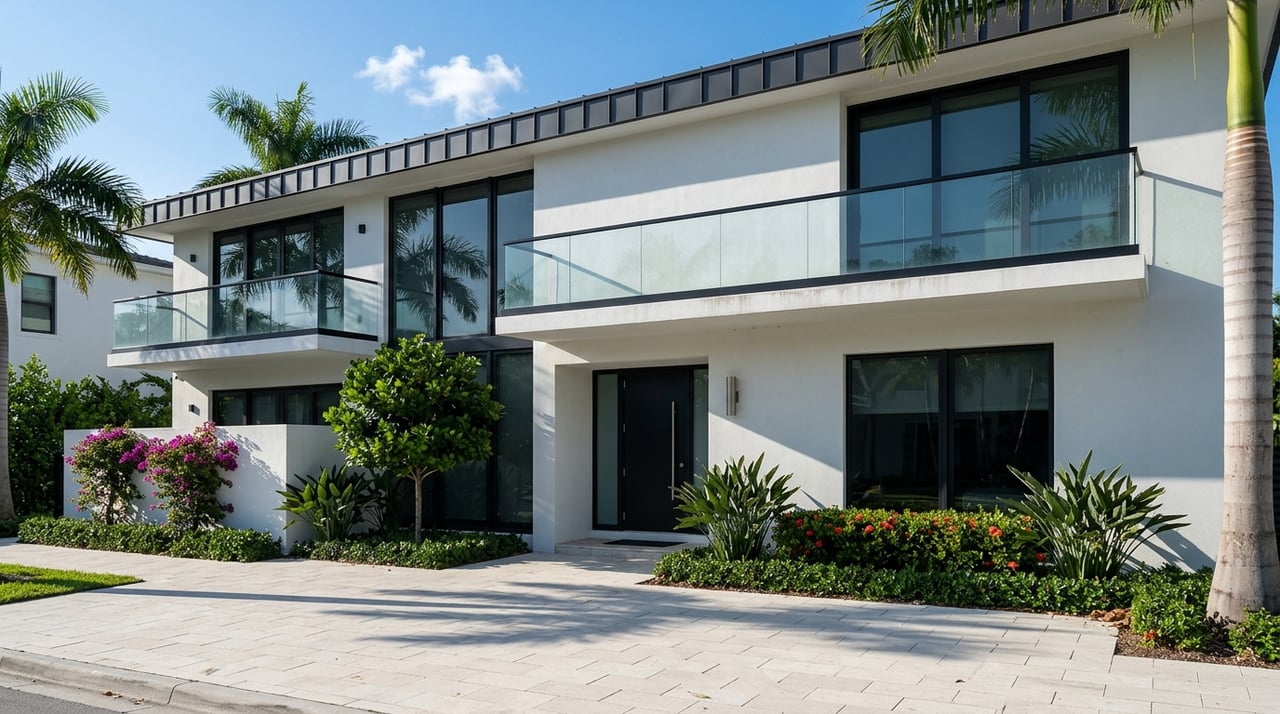
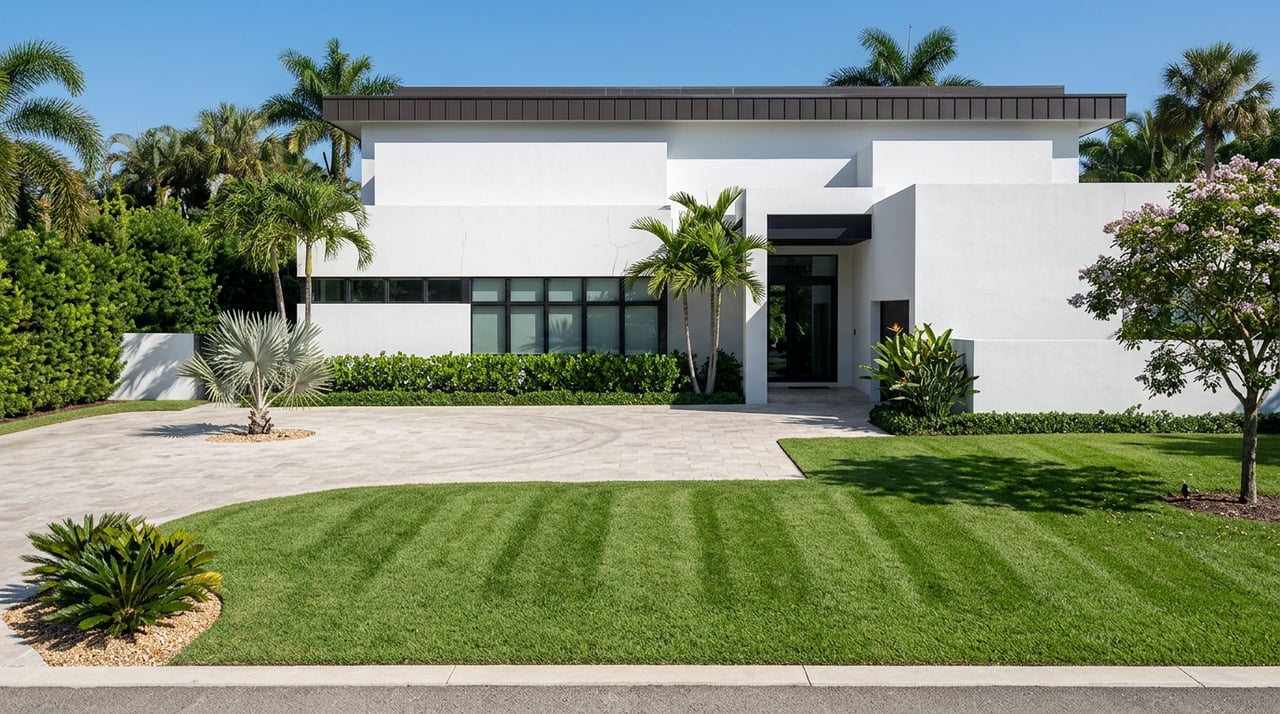
South Miami offers more variety than many out-of-state buyers expect. It is not just one type of neighborhood or one type of housing stock. City planning documents show a mix of residential districts, multi-family buildings, townhomes, condos, and mixed-use residential areas, especially near Sunset Drive and US-1.
The community characteristics report also notes ongoing mixed-use residential development near Sunset Drive and US-1, including apartments and larger mixed-use towers. That is useful if you want more of a transit-oriented setting, but it is just as important if you prefer a quieter single-family pocket and want to scout carefully before buying.
One of South Miami’s biggest advantages is connectivity. The city identifies US-1, also known as South Dixie Highway, as its primary arterial and busiest corridor, which makes it a major factor in both convenience and traffic.
Transit access is a major differentiator here. Miami-Dade Transit shows that Metrorail runs through South Miami to Coral Gables, downtown Miami, and Miami International Airport, with service from 5 a.m. to midnight. The South Miami station at 5949 Sunset Drive also has connecting bus service, including routes 37 and 73, which can make day-to-day movement easier if you want options beyond driving.
If you are coming from a cooler or drier state, South Florida weather is more than a lifestyle adjustment. It affects home maintenance, comfort, and ongoing expenses. The National Weather Service says South Florida’s rainy season usually runs from mid-May through mid-October, with nearly 70% of annual rainfall occurring during that stretch.
The same source says the first four to six weeks of rainy season are often the stormiest, bringing heavy rain, lightning, flooding, and occasional tornadoes. Hurricane season begins June 1 and peaks from August through October. Miami climate normals also show average highs around 77°F in January and about 91°F in July, according to the National Weather Service climate normals.
For you as a buyer, this means air-conditioning performance, roof condition, drainage, and stormwater handling should be treated as essential parts of your home search. These are not side issues in South Miami. They are core ownership concerns.
Flood risk should be part of your due diligence from the very beginning. South Miami specifically states that most homeowners insurance policies do not cover flood damage. The city also notes that flood insurance is mandatory for a federally guaranteed mortgage in a Special Flood Hazard Area.
There is one helpful detail for some buyers. Because South Miami participates in FEMA’s Community Rating System as a Class 8 community, eligible properties in Special Flood Hazard Areas can receive a 10% discount on flood insurance, according to the city’s flood preparation guidance.
Still, do not rely on general impressions of a neighborhood. The best move is to verify the exact property through FEMA’s official Flood Map Service Center. Flood zones, map products, permit requirements, and elevation certificate needs can all be property-specific.
Property taxes can surprise out-of-state buyers, especially when they assume the first-year bill will work like it did in another state. In Florida, homestead exemption is not automatic. Miami-Dade’s property appraiser requires ownership and permanent residence on the property as of January 1, and you must also establish Florida residency by that same date, according to the county’s exemption requirements.
That means if you are buying a second home or investment property, you generally should not expect homestead treatment unless the property becomes your Florida primary residence. This can materially affect your projected tax costs.
South Miami’s adopted FY 2026 budget uses a city millage rate of 3.9500 mills. The city estimates the average city portion of a South Miami residential tax bill at about $1,810, and the budget notes that this is only about 21% of the average total tax bill, not the full amount. The city budget and Florida’s TRIM guidance make clear that your total bill can include county, municipal, school board, special district, and non-ad valorem charges.
When you relocate from out of state, the list price is only part of the story. In South Miami, your real carrying cost should include:
This is especially important in a market where home values are elevated and climate-related operating costs are part of normal ownership planning. A realistic monthly budget helps you compare properties more accurately and avoid surprises after closing.
If schools are part of your relocation plan, make sure you verify assignment by exact address. Miami-Dade County Public Schools states that students are assigned based on where their parents or legal guardians reside, although transfer and school-choice options do exist.
The district also identifies South Miami K-8 Center as an arts magnet school for eligible PK-8 students, and South Miami Senior High describes itself as an A school and a Magnet School of the Arts in the same district materials. The key takeaway is simple: do not assume school assignment from a ZIP code or listing description. Confirm it directly for the property you are considering.
A short visit can tell you a lot, but only if you know what to look for. South Miami can vary meaningfully from one pocket to another, especially when you compare homes near major corridors with those in quieter residential areas.
Use your scouting trip to check these items:
These checks can help you narrow your search faster and make stronger decisions once you are ready to act.
Relocating to South Miami from out of state works best when you plan around the realities of the market, not just the lifestyle appeal. The city offers strong connectivity, varied housing options, and a neighborhood-focused setting inside a major metro area, but it also asks buyers to think carefully about flood risk, insurance, taxes, and true monthly cost.
When you have a calm, local guide, the process becomes much easier to manage. If you are planning a move and want personalized help comparing neighborhoods, housing types, and next steps, connect with Eric Firestone to schedule your South Miami neighborhood consultation.


Get assistance in determining current property value, crafting a competitive offer, writing and negotiating a contract, and much more. Contact me today.