
Pinecrest Real Estate Agent Focused on Strategy, Not Just Sales
Pinecrest Real Estate Agent March 24, 2026
Pinecrest Real Estate Agent March 24, 2026
Pinecrest is not a difficult market. It is a misunderstood one.
Homes do not sit on the market here because of lack of exposure. They sit because the strategy behind them does not align with how Pinecrest buyers actually make decisions. Most sellers never hear that.
They are told their home needs more marketing, more time, or a different agent. What they rarely hear is that the market already responded, and the response was ignored.
That is where outcomes begin to break. Did your Pinecrest home fail to sell? Click here for a consultation.
There is a pattern that repeats itself across Pinecrest, regardless of price point.
A home comes to market with confidence. Early activity creates a sense of validation. Showings happen. Conversations start. Then something subtle shifts. Momentum slows.
The listing remains active, but the urgency disappears. From the outside, it looks like a timing issue. From the inside, it is almost always a pricing and positioning misalignment. Pinecrest buyers are not reacting emotionally at first contact. They are evaluating. Comparing. Stress-testing value.
Aside from the obvious expense for the upkeep of their lavish homes, Pinecrest buyers select their homes based on their lifestyle choices. Proximities to select upscale salons, spas, and fitness centers for their personal well-being, high-end retailers for their personal effects, distance to evening cultural events, and, of course, distance to the educational offerings of Pinecrest all play a factor in their decisions.
If the property does not hold up under that scrutiny, they do not negotiate. They wait. For each buyer, there is a number in mind that is the perfect balance between price and proximity.
And waiting is what causes listings to stall.
Most Pinecrest sellers are not unrealistic. They are anchored.
They base their expectations on:
None of these reflect how buyers are making decisions today. Buyers are not looking at your home in isolation. They are looking at it relative to every alternative available, including homes that are not yet listed.
This becomes more complex when you factor in international influence.
Buyers from Brazil (17%) often gravitate toward newer construction, where long-term appreciation feels more predictable. Pinecrest resales must work harder to justify value against that preference.
Buyers from Argentina and Colombia tend to prioritize rental income and capital preservation. Pinecrest pricing often does not align with those financial objectives, which quietly removes a segment of demand. In fact, the other top four international buyers come from Bolivia (14%), Kazakhstan (11%), Nicaragua (8%) and South Africa (7%). Domestically, the top five states are New York (15.5%), California (13%), Texas (9%), Illinois (6%) and New Jersey (6%).
The result is not a lack of buyers.
It is a lack of alignment with the right ones.
The most common mistake in Pinecrest is treating price as a starting point rather than a positioning decision.
Sellers determine value.
Buyers determine price.
That distinction is where most listings fail. Pricing too high does not create leverage. It creates hesitation. It signals to the market that the seller may not be serious, which reduces urgency and weakens negotiating power before a conversation even begins.
The first two to three weeks on market are not passive. They are a live test of alignment.
Every showing, every inquiry, every absence of action is a signal. Ignoring those signals is what leads to prolonged days on market and eventual price reductions that feel reactive instead of strategic.
Most agents track activity. Very few interpret it.
The difference is what determines outcome.
Within Pinecrest, there are four signals that matter:
When these signals are read correctly, pricing and positioning can be adjusted before momentum is lost.
When they are ignored, the listing becomes stale while appearing active.
Selling a home is not a linear process. It is an orchestrated one.
The Harmony & Homes Experience is designed to align five elements that are often treated separately.
Market signals guide every adjustment, allowing strategy to evolve before the market forces it to. This is not about doing more.
It is about doing what aligns.
This approach is not for every seller. It is for those who recognize that time on market is not neutral, and that incorrect strategy compounds quietly.
It is often the right fit for sellers who:
Pinecrest does not reward volume.
It rewards alignment.
The difference between a home that sells and one that sits is rarely dramatic. It is usually a series of small strategic decisions that either match buyer behavior or miss it entirely. When those decisions are intentional, the market responds.
When they are not, the market still responds. It just does so quietly. To learn more about what to do when your home doesn't sell the first time, read here.
Before adjusting your price or re-entering the market, it is worth understanding what the market has already communicated.
A strategic consultation is designed to interpret those signals, identify where alignment broke, and map a path forward based on how Pinecrest buyers are actually behaving.
If you are evaluating your next move, you can request a consultation here.
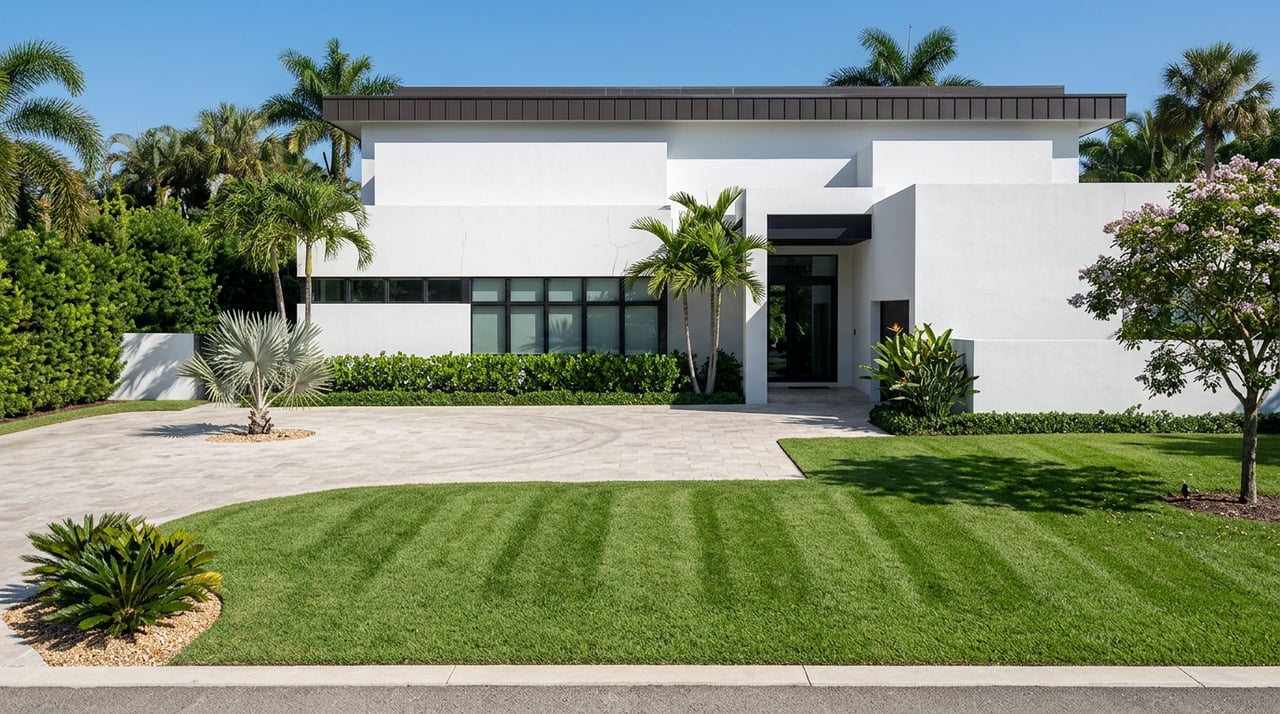

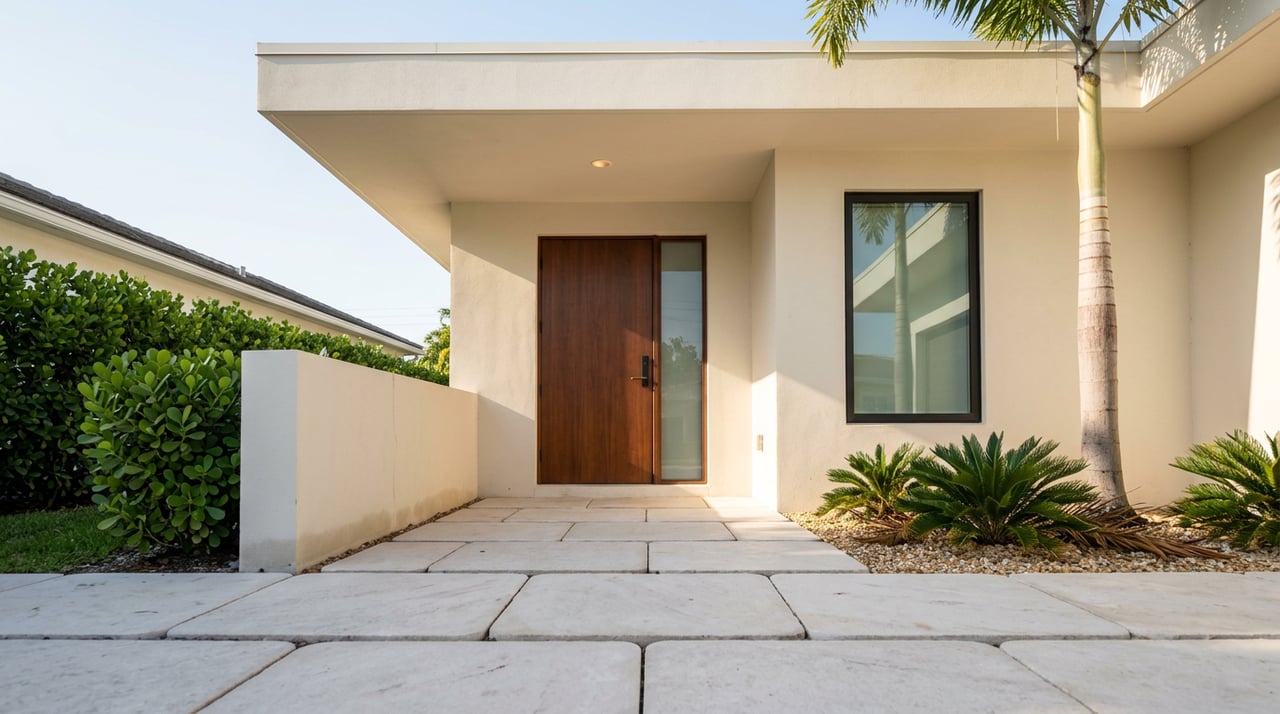
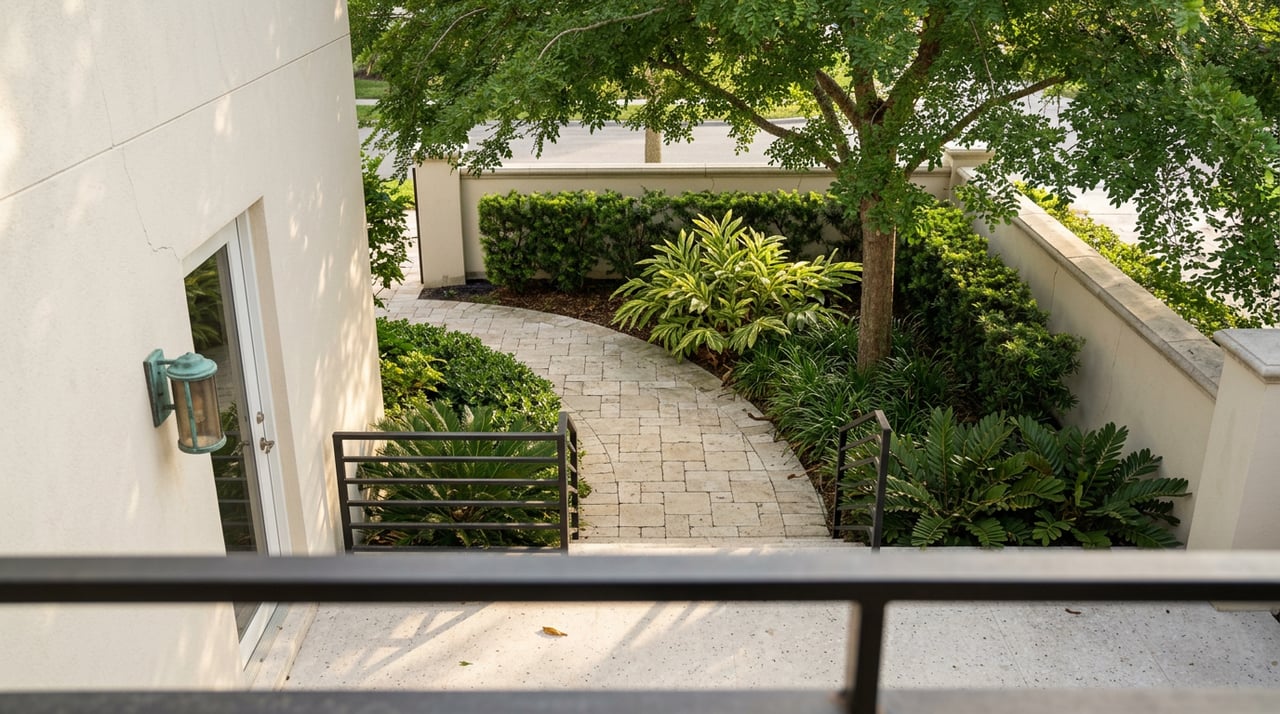

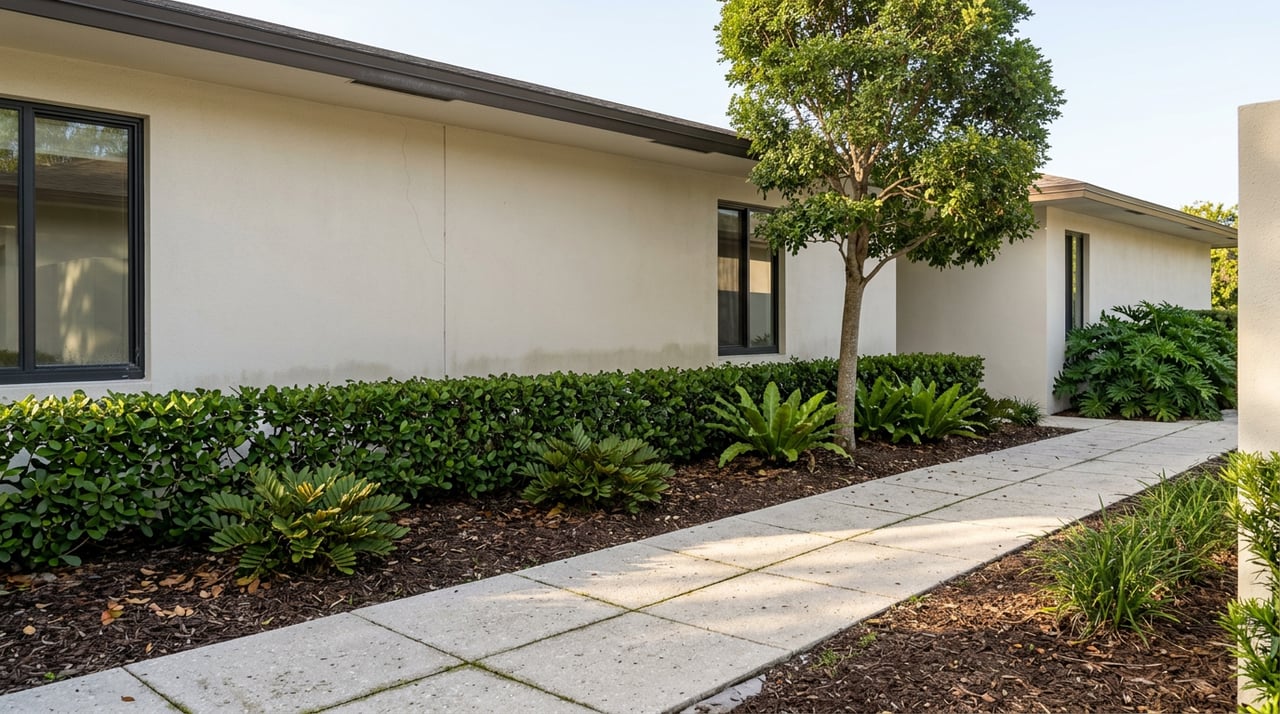
Get assistance in determining current property value, crafting a competitive offer, writing and negotiating a contract, and much more. Contact me today.